


Deciphering the Value Matrix of Saigon Tailoring
In the landscape of modern corporate leadership, elite networking, and luxury lifestyle curation, your attire functions as your ultimate calling card. It is a visual statement of intent, an unspoken marker of discipline, and a critical component of your personal branding strategy. As international business travelers, local executives, and discerning grooms look to elevate their style profile, a massive global movement has materialized: skipping mass-manufactured retail chains in favor of a dedicated custom suit Ho Chi Minh experience.
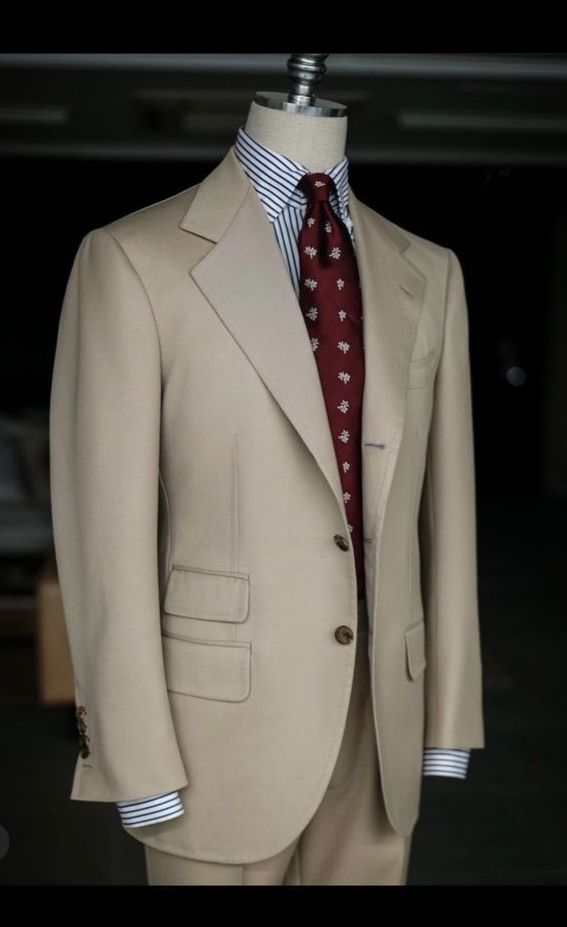
Ho Chi Minh City—historically celebrated as Saigon—has established its position as an international hub for high-end bespoke tailoring. In 2026, the city stands proud as a global sanctuary where generational artisan skill meets elite international textile curation. Yet, for many gentlemen exploring the market for the first time, the underlying financial metrics can seem profoundly opaque. Walk down the luxury quarters of District 3 or District 1, and you will notice that the cost structure for a suit ho chi minh varies dramatically across different establishments.
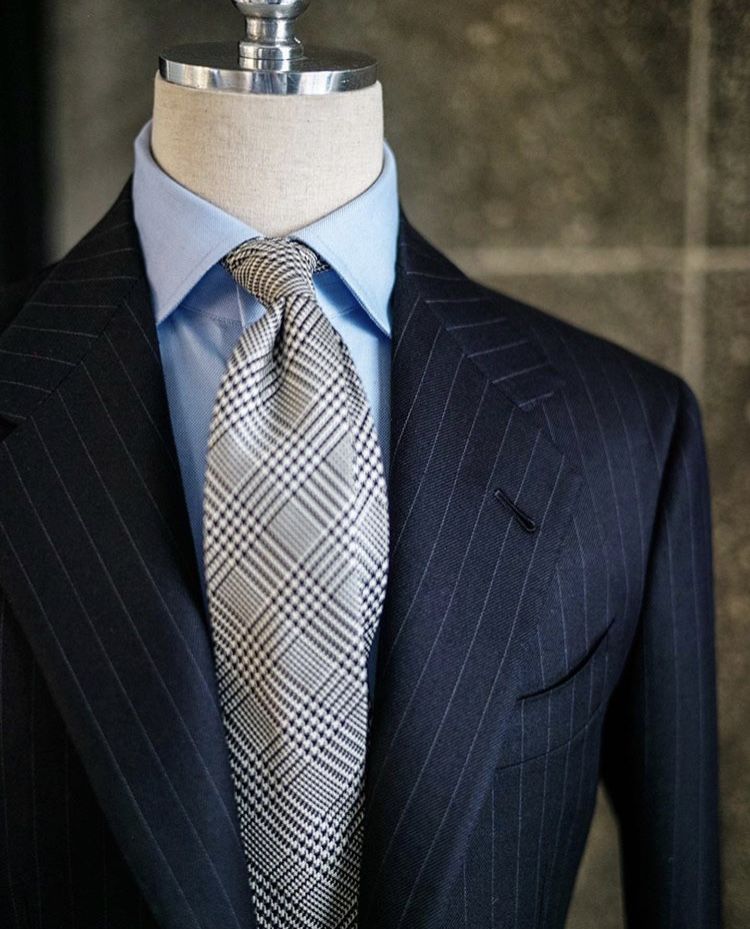
This brings forward an essential line of inquiry for the contemporary connoisseur: What actually affects the custom suit price in Ho Chi Minh? When you sit down for a consultation with the best tailor ho chi minh team, what variables are driving the value of your final investment? Is it the origin of the fabric, the complexity of the internal canvas, or the physical hours of hand-stitching executed by the master cutter?
At Bá Vĩ Tailor, we believe that true luxury cannot exist without absolute transparency. This comprehensive masterclass is written to pull back the curtain on the tailoring workshop. By understanding the exact anatomical and operational mechanics that affect the cost of custom menswear, you can approach your next wardrobe acquisition with total clarity, ensuring that every financial placement you make yields exceptional structural longevity and unshakeable personal confidence.
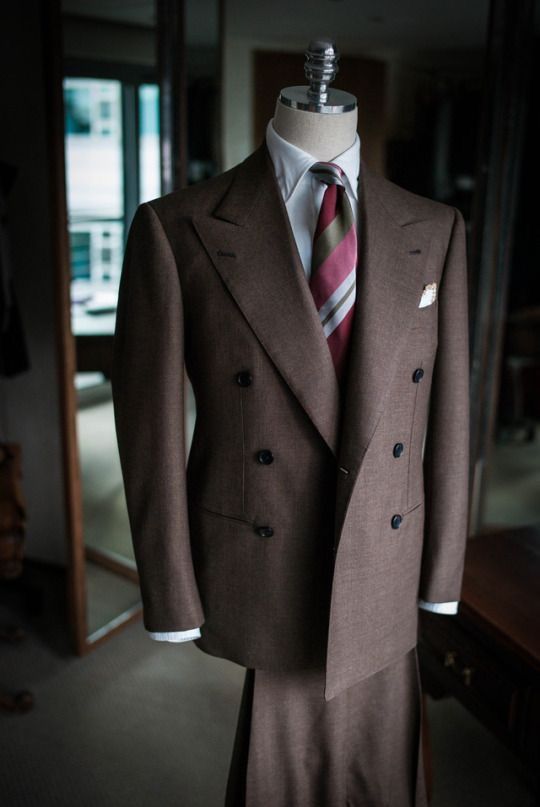
Variable 1: The Core Architecture—Fused vs. Half-Canvas vs. Full-Canvas
The absolute foundation of any tailored jacket lies hidden beneath its visible fabric shell. This internal skeleton is what gives a jacket its chest dimension, its drape stability, and its ability to roll smoothly at the lapels. The method used to construct this internal system is the primary variable affecting the price profile at any tailor ho chi minh atelier.
1. Fused Construction: The Fast-Fashion Industrial Framework
The lowest tier of market pricing is dominated by fully fused construction, a methodology borrowed directly from the assembly lines of mass-market retail brands. In a fused jacket, the internal lining is bonded permanently to the outer fabric using a synthetic chemical adhesive activated by high-heat industrial presses.
While this allows rapid-turnaround tourist shops to assemble a garment in less than 24 hours, the structural drawbacks are severe. Chemical glues are inherently rigid; they prevent the fabric from breathing naturally, causing the jacket to trap heat intensely when exposed to the humid tropical climate of Vietnam.
Furthermore, synthetic adhesives degrade rapidly under environmental stress or commercial dry-cleaning solvents. Over a short period, the glue separates from the shell, causing ugly, irreversible bubbling and blistering across the lapels and chest plate, rendering the garment completely unwearable.
2. Half-Canvas Construction: The Structural Compromise
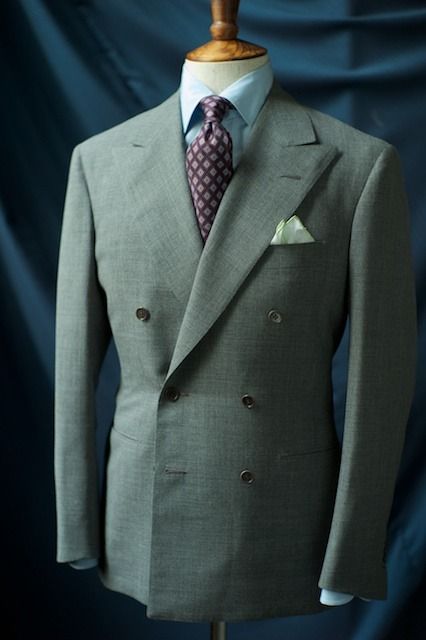
Representing the middle ground of tailoring, half-canvas construction infuses traditional artisanal methods into a modified pattern block. In this configuration, a floating interlining composed of natural wool and animal hair is hand-stitched into the upper chest plate and the ve-áo (lapels) of the jacket. This allows the garment to present a graceful, organic roll where it matters most to the eye.
However, to optimize production time, the lower skirt of the jacket still relies on a lightweight fused adhesive layer. This provides an approachable entry point for professionals building their initial corporate wardrobe, offering improved breathability and durability over fused garments, though still lacking the complete anatomical fluid movement of heritage bespoke pieces.
3. Full-Canvas Bespoke Construction: The Pinnacle of Artisan Wealth
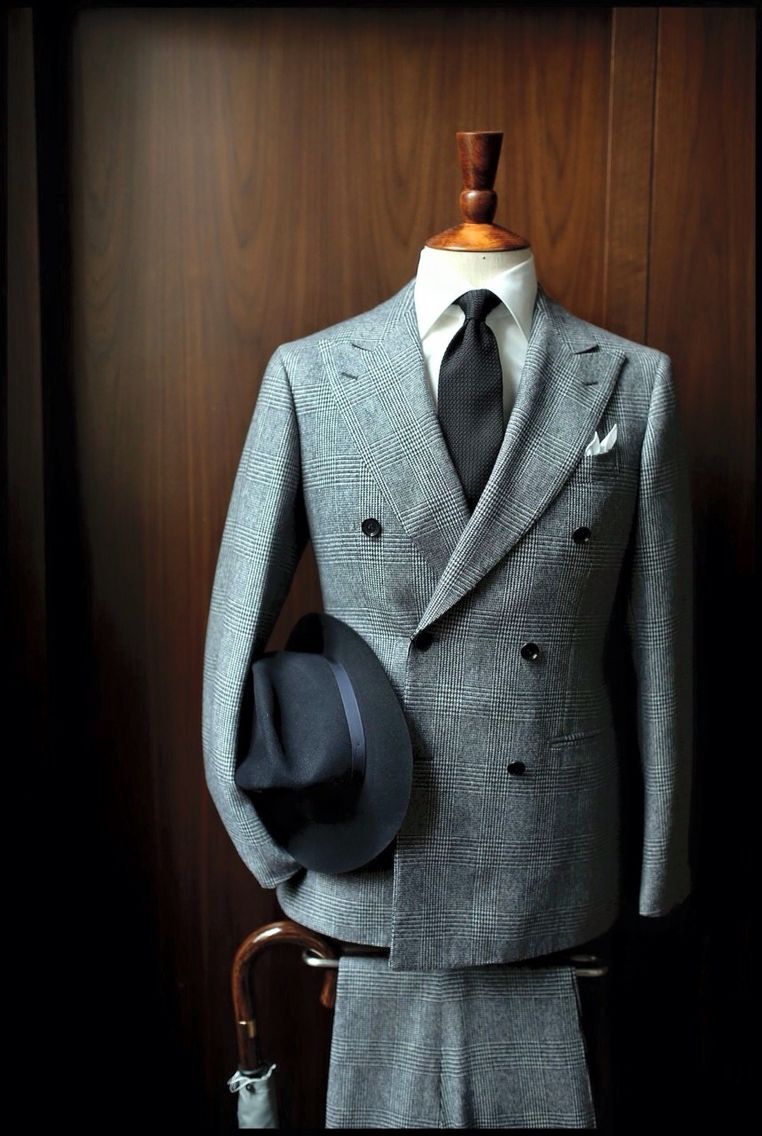
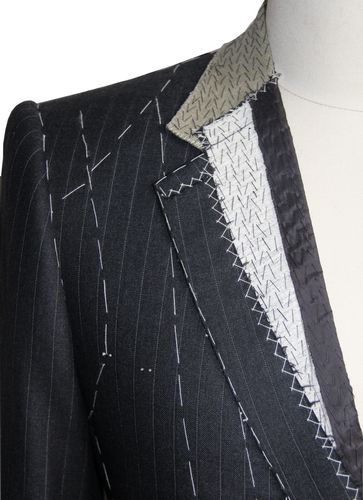
At premier houses like Bá Vĩ Tailor, the absolute gold standard is full-canvas floating construction. This pure, uncompromised technique demands that an entire internal structural skeleton—loyal from the top of the shoulder down to the bottom hemline—be woven from pure horsehair, linen, and premium cotton canvas.
Absolutely zero chemical adhesives or glues are permitted within the workshop layers. The canvas is held in place entirely by thousands of precise, loose hand-stitches, allowing it to "float" independently between the outer luxury cloth and the inner silk lining.
The physical beauty of full-canvas architecture lies in its evolutionary nature: as you wear the jacket over time, the natural fibers of the horsehair canvas react to your body heat and movement, gradually memorizing your unique physical contours. The jacket molds itself to you, creating an increasingly flawless, custom silhouette with every single wear. Because there are no chemical components to break down, a full-canvas garment possesses an indefinite lifespan, surviving decades of active wear and cleaning while maintaining its sharp, architectural integrity.
Variable 2: Textile Curation—The Global Pedigree of Raw Materials
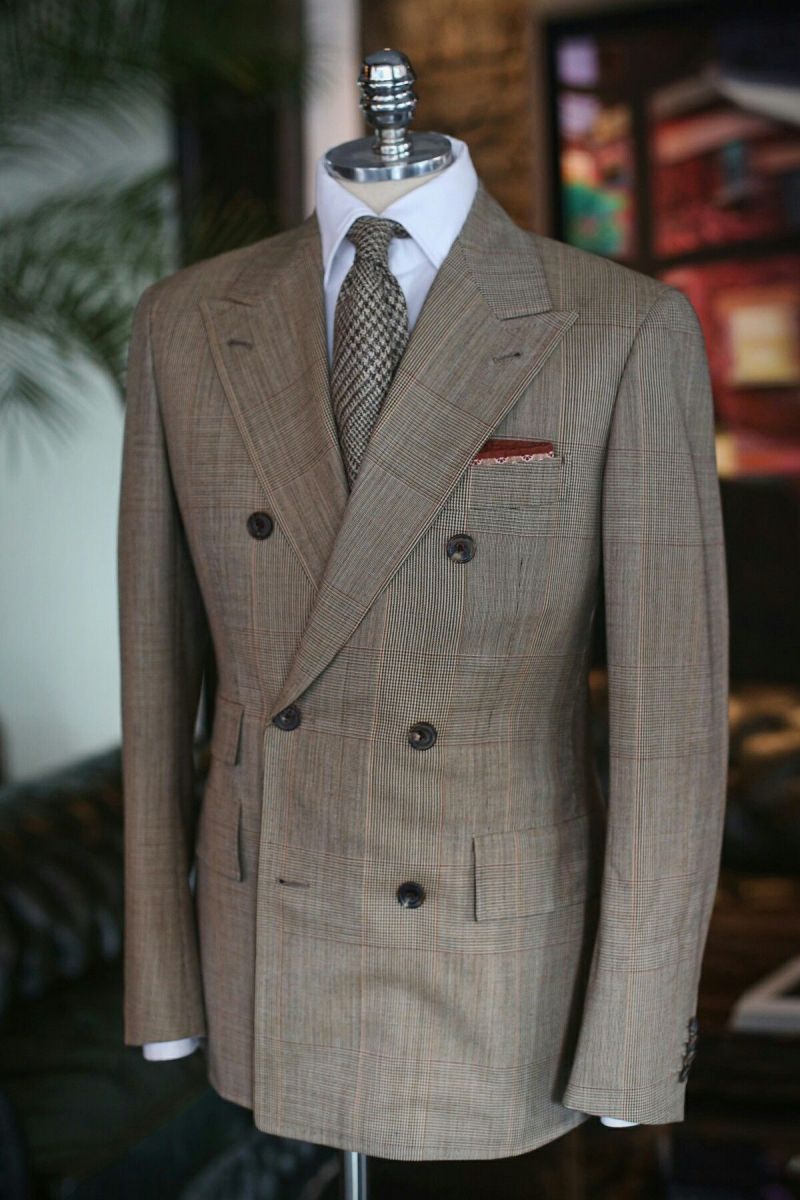
Once the construction method is established, the next profound variable affecting your investment is your choice from the textile library. Fabric origin, weave density, fiber purity, and the prestige of the global mill dictate a major portion of a garment's final value matrix.
1. Synthetic and Low-Grade Blends
Garments occupying the lower cost brackets of the market rely heavily on synthetic fibers like polyester, nylon, and viscose. While these materials are incredibly cheap to manufacture and exhibit high resistance to wrinkles, they possess zero moisture-wicking capabilities. For any gentleman operating within Southeast Asia or international travel hubs, a synthetic suit creates immense physical discomfort, trapping sweat and giving off a cheap, synthetic shine under natural sunlight.
2. House Natural Wools
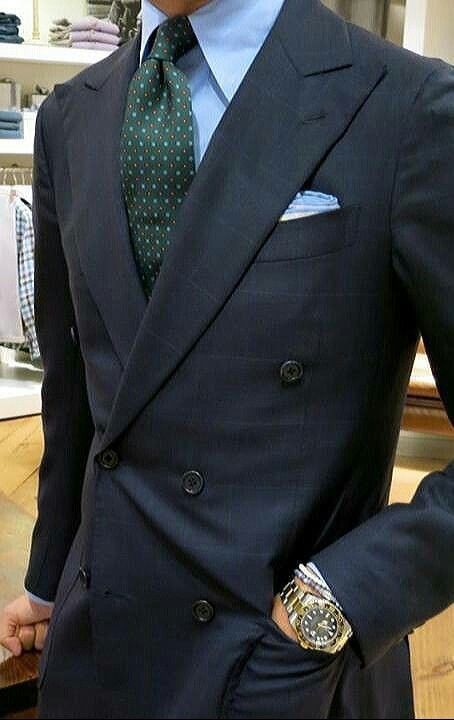
A highly balanced, professional-grade option involves pure Merino wools sourced from high-volume, reputable mills across Japan, South Korea, and elite regional textile centers. These house wools are spun from pure natural fibers, delivering excellent temperature regulation, a crisp matte aesthetic, and magnificent structural recovery. They form the backbone of practical corporate wardrobes, allowing executives to secure a highly breathable, sharp-draping suit ho chi minh that performs reliably day in and day out.
3. Imported European Luxury Milling
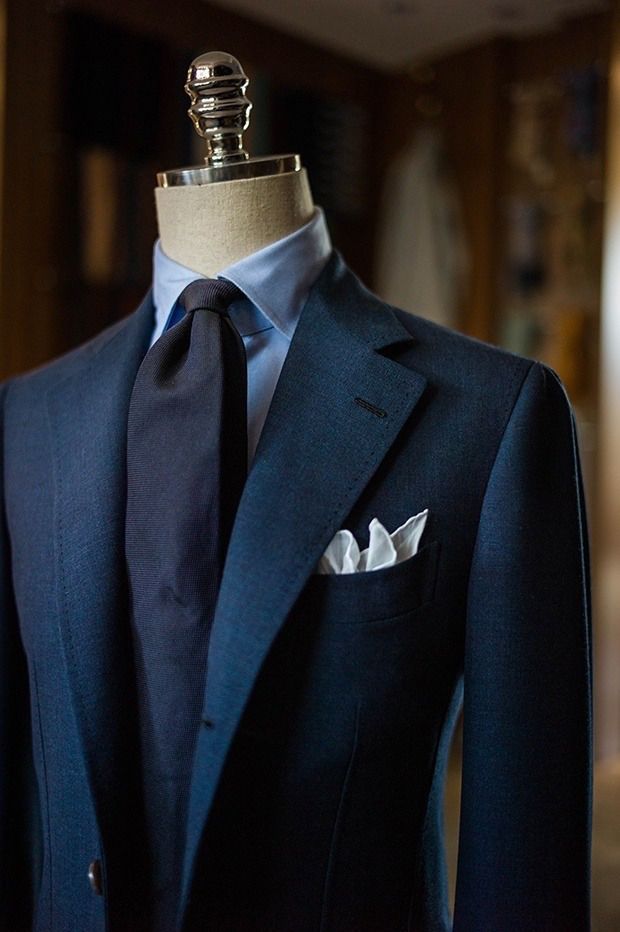
At the peak of luxury menswear sit the legendary textile houses of Italy and England—illustrious names such as Vitale Barberis Canonico (VBC), Loro Piana, Scabal, Dormeuil, and Holland & Sherry. These heritage mills harvest specialized raw materials, including ultra-fine merino fleece, pure Mongolian cashmere, and rare South African mohair, grading them by micron thickness (ranging from Super 110s up to rare Super 160s and beyond).
When you choose a fabric from these elite international archives at Bá Vĩ Tailor, you are paying for generations of textile perfection. These luxury fabrics feel incredibly soft to the touch, possess a natural luster that catches light beautifully, and hold a majestic drape that cannot be replicated by mass-production textiles. Because these premium materials are subject to strict global distribution controls, international shipping fees, and import tariffs into Vietnam, selecting an elite European mill naturally elevates a garment into the premium luxury tier.
Variable 3: Artisan Bench-Time and Pattern Engineering
A critical factor that many mass-market buyers overlook is the pure human asset: Artisan Bench-Time. The amount of manual, skilled labor poured into your garment alters its visual impact and long-term durability completely.
1. Automated Machine Lines vs. Individual Hand-Sculpting
A budget-tier garment is processed through a high-speed, automated factory assembly line. A single operator spends just a few minutes machining a shoulder seam before passing it down the line to another operator. The entire piece is rushed through in less than 4 hours, utilizing static, digitized pattern blocks designed for a generic factory mannequin.
In stark contrast, a genuine bespoke masterpiece at a premier showroom like Bá Vĩ Tailor requires upwards of 40 to 50 hours of highly focused, uninterrupted manual labor by master cutters and senior tailors.
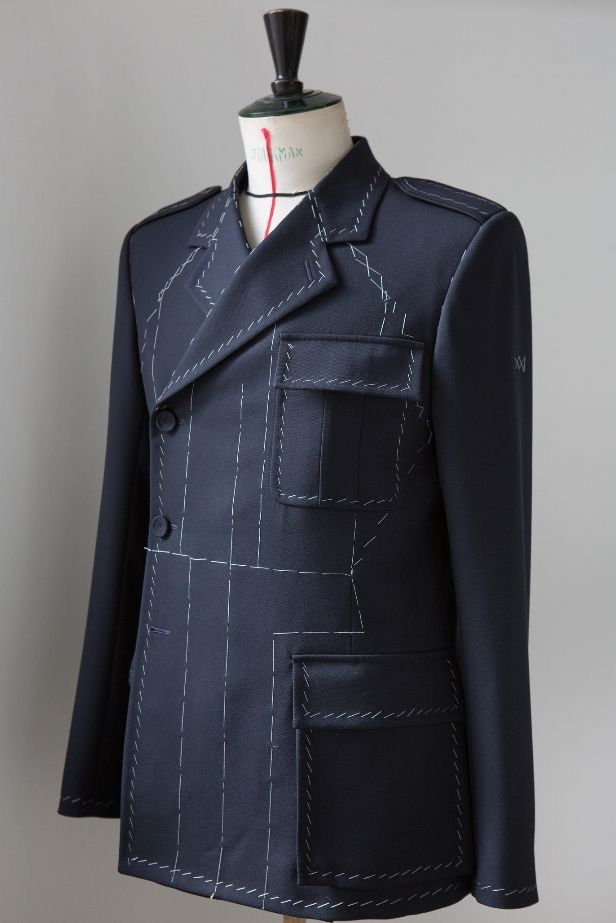
First, we draft an entirely separate, unique paper pattern (rập) based on your individual measurements. We then hand-cut raw cotton cloth to build a temporary skeleton draft of your suit. During your intermediate baste fitting session, our master tailor literally deconstructs and pins this draft directly onto your body, adjusting for asymmetric shoulders, spinal curves, and unique posture angles.
Furthermore, every key element of our premium garments is finished manually. From hand-padded lapels that create a volumetric chest presence, to hand-struck pick stitching along the silk-lined edges, to hand-cut functional surgeon's cuffs—this level of artisan bench-time is an investment in human artistry that ensures your garment drapes like a second skin.
Case Study: The Mastery Required for a Flawless Black Suit
To fully grasp how construction engineering, fabric selection, and artisan bench-time dictate value, one must analyze the ultimate testing ground of menswear: the timeless black suit.
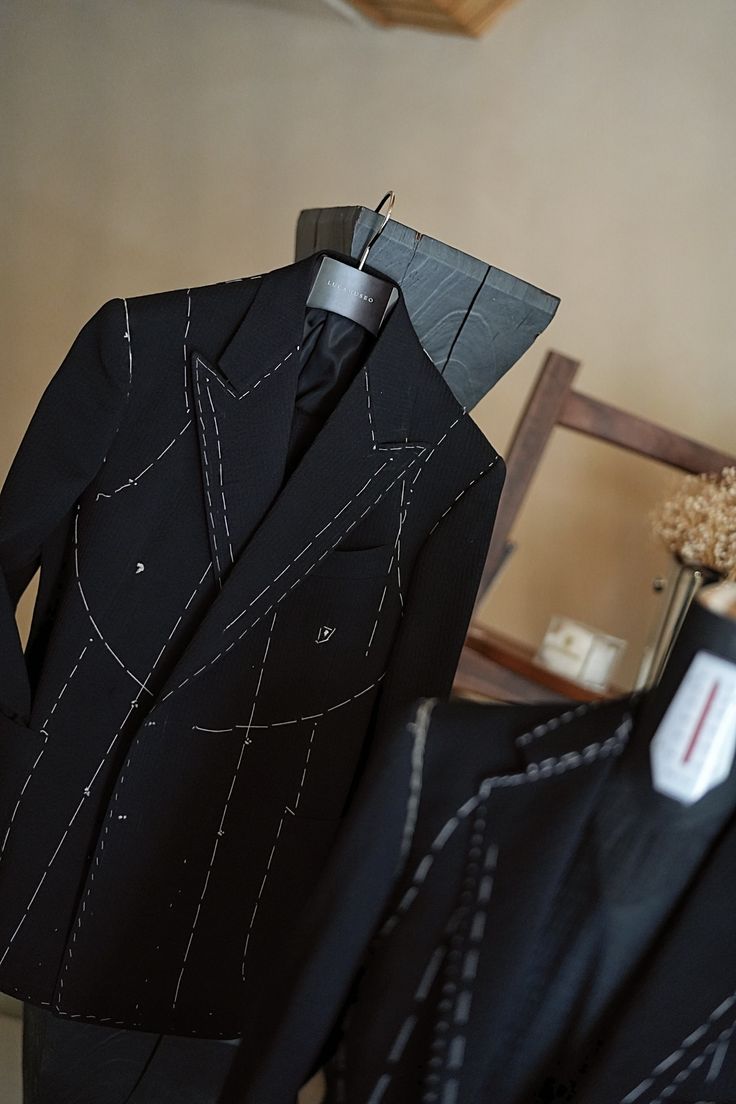
A black suit is arguably the most demanding garment a high-end tailor ho chi minh house can ever be commissioned to build. In the world of color psychology and optics, true black is a monolithic tone that absorbs all surrounding ambient light waves. Because there are no busy visual designs—such as navy pinstripes, grey prince-of-wales checks, or textured windowpanes—to distract the human eye, a black suit behaves like a visual magnifying glass for tailoring flaws.
If a black suit is constructed utilizing cheap, fused materials or inaccurate pattern-making, its structural issues will immediately be exposed under the sharp spotlights of a high-society gala, a corporate stage, or an evening celebration. The fabric will display a cheap, artificial plastic sheen, the shoulder pads will look blocky and unnatural, and the lapels will lie completely flat and lifeless against the chest.
When you invest in a premium bespoke black suit designed by the master artisans at Bá Vĩ Tailor, you are investing in absolute optical perfection. We utilize deep-dye, double-matte pure Merino wools that absorb light with magnificent elegance.
Our cutters spend hours shaping the canvas to ensure the shoulder line transitions smoothly into your neck, while hand-rotated sleeve heads provide full rotational arm comfort. The lapels are hand-padded to maintain a rich, three-dimensional curve that projects undeniable power and sophistication. This architectural perfection is exactly why global gentlemen consider us the premier house for a black suit that commands absolute respect the moment you step into a room.
Variable 4: Luxury Hardware and Customization Accents
The final elements affecting the value profile of a custom suit ho chi minh are the premium hardware components and artisanal finishings selected during your design consultation. Low-cost operations cut corners by utilizing injection-molded plastic buttons, nylon threads, and synthetic polyester inner linings that tear easily and cause static buildup.
A true luxury house treats every single component as a masterpiece requirement:
-
Genuine Horn and Mother-of-Pearl Buttons: We source sustainably harvested, authentic Italian water buffalo horn or genuine iridescent mother-of-pearl buttons. Each button features unique natural graining, offering a tactile weight and luxury presence that plastic can never mimic.
-
100% Breathable Cupro (Bemberg Silk) Linings: The interior lining of a Bá Vĩ jacket utilizes genuine Cupro silk. This premium natural fiber is extraordinarily silky, hyper-breathable, and naturally anti-static, allowing the jacket to glide effortlessly over your custom dress shirts without friction.
-
The Milanese Buttonhole (Asola Lucida): An optional, exquisite hallmark of elite tailoring. This involves hand-wrapping a silk thread around a structural gimp cord on the lapel, requiring over an hour of intense hand-eye coordination for a single buttonhole, resulting in a beautiful, raised silk jewel that signals true sartorial devotion.
The True ROI: Purchase Price vs. Long-Term Cost-Per-Wear
When determining how much you should invest in a premium suit ho chi minh, it is vital to shift your mindset away from the initial purchase price and look instead at the logical reality of the Cost-Per-Wear metric. This is calculated by dividing your initial capital invested by the total number of successful wears over the garment's lifecycle.
Consider a standard five-year timeline for an active international professional. A gentleman who chooses the budget path often purchases a low-cost, chemically fused suit from a tourist shop or retail center. Because the garment was built on a rigid, standardized pattern block, it feels restrictive across the upper back and loose at the waist. He feels average wearing it, so he only uses it around ten times a year. By year two, the tropical humidity of Vietnam dissolves the chemical glue, the chest fabric begins to bubble, and the synthetic material takes on a greasy shine. The suit cannot be adjusted because mass-production garments leave zero extra fabric inside the seams. It must be discarded, resulting in a poor long-term return on value.
Conversely, a gentleman who decides to work with the best tailor ho chi minh team at Bá Vĩ Tailor to engineer a full-canvas, premium imported wool suit enjoys a completely different outcome. The fit is an absolute anatomical masterpiece, providing unrestricted movement and a commanding aesthetic. Because it makes him look and feel incredibly powerful, he naturally wears it forty times a year for high-stakes meetings, travels, and galas.
Because it features a floating horsehair canvas and zero glues, it never loses its shape or suffers from bubbling. In year three, if his physical frame expands slightly due to fitness training, he can return to our District 3 flagship showroom, where our master tailor opens the generous internal seam allowances to adjust the jacket to his new proportions perfectly. Over five years, the suit is worn hundreds of times and looks even more elegant than the day it was delivered. The true cost-per-wear is exceptionally low, representing a phenomenal return on personal presentation capital.
The Elite Sartorial Workflow at Bá Vĩ Tailor
To ensure that your investment results in a flawless masterpiece, we have carefully refined our fitting experience into a highly structured lifestyle journey across four dedicated phases:
-
Phase 1: The Private Consultation (Lifestyle Design) You meet one-on-one with our senior style consultants inside our private showroom. Over a selection of premium beverages, we map out your occupational lifestyle, travel demands, and aesthetic preferences, helping you select the perfect fabric weight, weave, and custom styling features from our world-class international textile books.
-
Phase 2: The 30-Point Biomechanical Measurement (Anatomical Capture) Our master tailors execute a highly precise physical measurement session. We look far beyond basic lengths; we carefully analyze your natural standing posture, your shoulder pitch, your chest stance, and your spinal alignment, capturing over 30 unique data points to build your custom paper pattern from scratch.
-
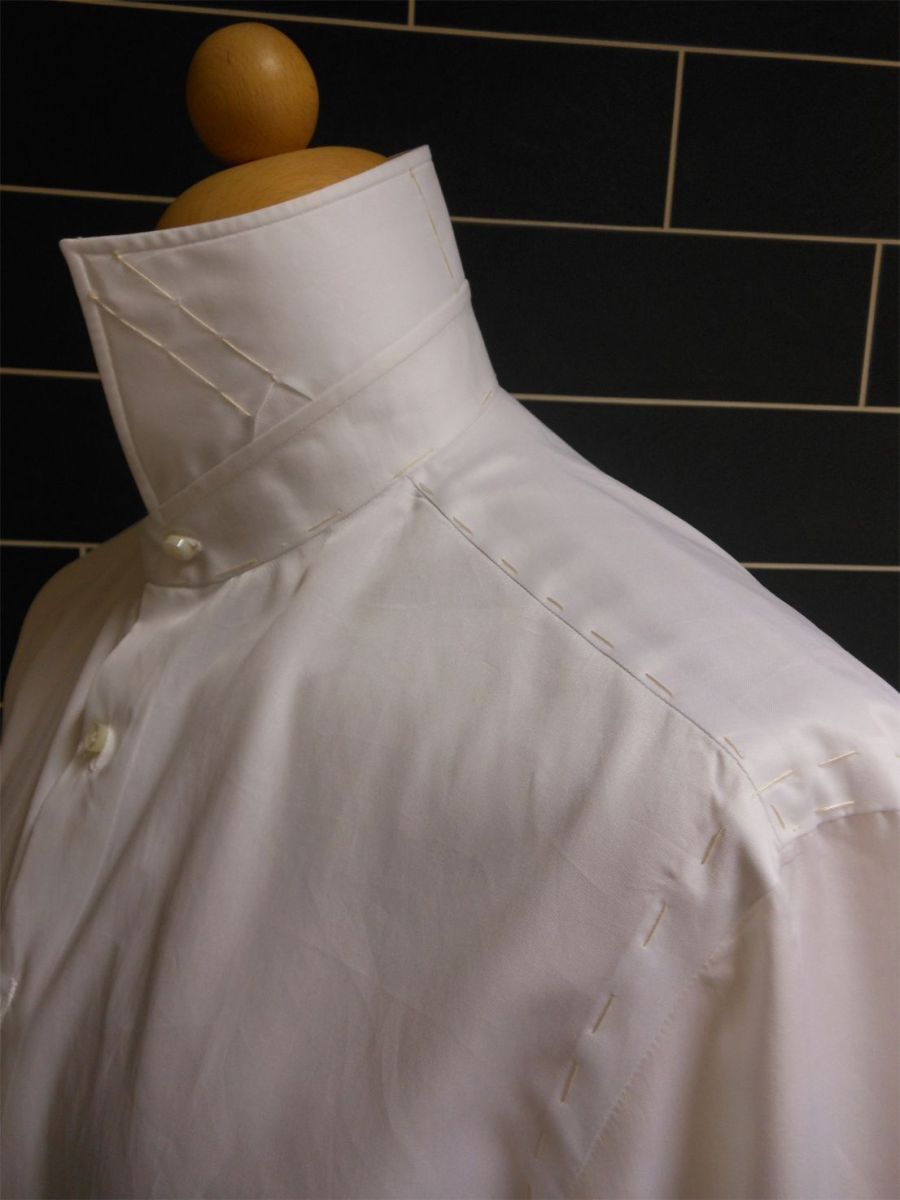
Phase 3: The Intermediate Baste Fitting (Structural Sculpting) We temporarily stitch together a raw cotton skeleton draft of your suit using white baste thread. You step into this raw shell during a dedicated fitting session, allowing our master cutter to rip, pin, and sculpt the fabric directly onto your living frame, ensuring absolute precision before your final imported fabric is permanently hand-stitched.
-
Phase 4: The Final Hand-Off & Archival Saving (Flawless Delivery) Your garment undergoes final artisan hand-finishing and is meticulously pressed using heritage iron-shaping techniques. After a thorough final quality verification, you walk away with your custom masterpiece. Your unique paper pattern is then safely recorded in our permanent digital archives, enabling effortless global re-ordering from anywhere in the world.
Conclusion: Secure Your Wardrobe Legacy
Ultimately, when exploring what affects the custom suit price in Ho Chi Minh City, the old adage remains completely true: you get exactly what you pay for in structural integrity, fabric pedigree, and fit precision. Opting for rapid, assembly-line construction might trim your initial layout, but it compromises your comfort, image, and wardrobe lifespan.
Investing in a full-canvas bespoke garment from Bá Vĩ Tailor is an empowering statement of self-worth and professional intent. Step into a suit that is structurally engineered to honor your body, project absolute confidence, and stand as a timeless legacy within your wardrobe.
APPOINTMENT BOOKING
To begin your bespoke journey or to arrange a private style consultation with the best tailor ho chi minh team, please connect with our flagship showroom directly through the official channels below:
-
Brand Atelier: BÁ VĨ TAILOR - Premium Custom Suits & Bespoke Menswear
-
Flagship Address: 329/2 Dien Bien Phu Street, Ban Co Ward, District 3, Ho Chi Minh City, Vietnam
-
Hotline / Zalo / WhatsApp: 0918 430 194
-
Official Website: bavitailor.com


