


In the competitive corporate world, first impressions are forged in seconds. Whether you are stepping into a high-stakes board meeting, presenting to international investors, or attending an executive gala, your attire communicates authority, attention to detail, and self-respect before you utter a single word. While high-end fabrics and prestige labels play a role, the single most critical element of a business suit is its fit.
A $3,000 off-the-rack designer suit that hangs loosely or pinches awkwardly will always look inferior to a expertly crafted custom suit Ho Chi Minh business professionals rely on. A well-fitted suit flatters your natural proportions, sharpens your silhouette, and allows effortless movement throughout a demanding workday.
At Ba Vi Tailor, recognized as a premier destination for the best tailor ho chi minh experience, we believe that understanding suit fit is an essential life skill for every modern gentleman. This comprehensive 3,000-word master guide breaks down every single component of a business suit fit—from shoulder seam alignment to pant break subtleties—so you can walk into any room with complete sartorial confidence.

1. The Core Philosophy of a Great Business Suit Fit
Before diving into the technical mechanics of collar gaps and trouser breaks, it is crucial to establish what a business suit is designed to accomplish.
Unlike casual streetwear or unstructured weekend tailoring, a formal suit ho chi minh executives wear must achieve three distinct objectives:
-
Enhance Natural Structure: Broaden the shoulders, trim the waist, and elongate the legs.
-
Project Professional Authority: Maintain clean lines without unsightly wrinkles, pulling, or sagging.
-
Provide Functional Comfort: Allow full range of motion for sitting, walking, and gesturing during presentations.
The Golden Rule: Hug, Don't Squeeze; Frame, Don't Swell
A common misconception among modern men is confusing a fitted suit with a tight suit. A suit that is too tight creates stress wrinkles, restricts circulation, and looks unprofessional. Conversely, a suit that is too loose projects laziness and poor self-awareness.
Master Insight: Your business suit should contour to your body's natural shape without constricting movement. It should feel like a protective layer of armor—structured yet weightless.
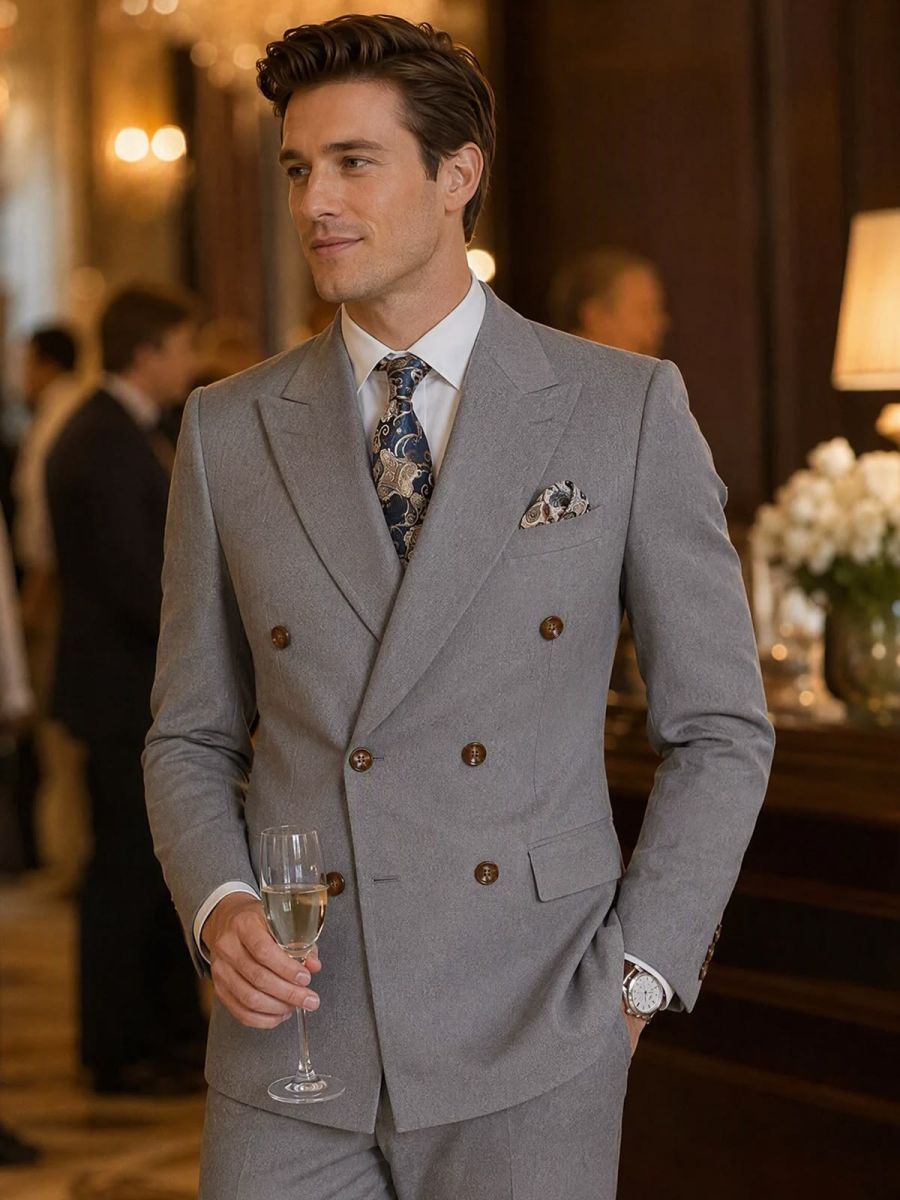
2. The Golden Ratio: Anatomic Breakdown of the Suit Jacket
The jacket is the centerpiece of your business attire. When evaluating a suit jacket, you must assess seven primary anatomical points.
A. The Shoulders: The Absolute Foundation
The shoulder is the single most critical structural area of a suit jacket. Altering shoulder width on a finished jacket requires complete deconstruction of the chest piece and sleeve head—an expensive and risky procedure. Therefore, getting the shoulders right from day one is non-negotiable.
-
The Ideal Fit: The jacket’s shoulder seam should end precisely where your natural shoulder bone meets the top of your arm. The fabric across the shoulder pad should lie completely flat without bowing outward or hanging over the upper arm.
-
Too Tight: If the shoulder width is too narrow, you will feel tension across your upper back. The fabric near the armhole will drag toward the neck, creating diagonal strain lines.
-
Too Large: If the shoulder width is too wide, the seam drops down your bicep, causing the sleeve head to collapse inward and form an unsightly dimple or divot just below the shoulder pad.
B. The Collar: Eliminating the Dreaded "Collar Gap"
The jacket collar must rest snugly against your dress shirt collar, which in turn should sit gently against the back of your neck.
-
The Ideal Fit: There should be zero space between your shirt collar and your suit jacket collar. As you turn your head, the jacket collar should remain flush against the shirt without rising up or pulling away.
-
The Collar Gap: If a gap exists between your jacket collar and shirt collar, the jacket is either cut incorrectly for your posture or the upper chest is improperly balanced.
-
Collar Rolls: If ripples or horizontal fabric bunches appear directly beneath the rear collar on your upper back, the jacket pitch needs adjustment for your natural standing angle.
C. The Chest and Lapels: Flat, Flush, and Structured
The chest area sets the tone for your upper torso silhouette. Lapels—whether classic notch or commandingly peak—must drape cleanly across your pectoral muscles.
-
The Ideal Fit: Lapels should lie completely flat against your shirt chest. When the top button (on a two-button suit) is fastened, you should be able to slide a flat hand easily under the lapel, while a fist should feel snug.
-
Lapel Popping: If the lapels bow outward or buckle away from your chest, the jacket is too tight across the torso or shoulders.
-
Chest Sag: If the chest fabric ripples or forms hollow pockets, the jacket is too wide through the chest.
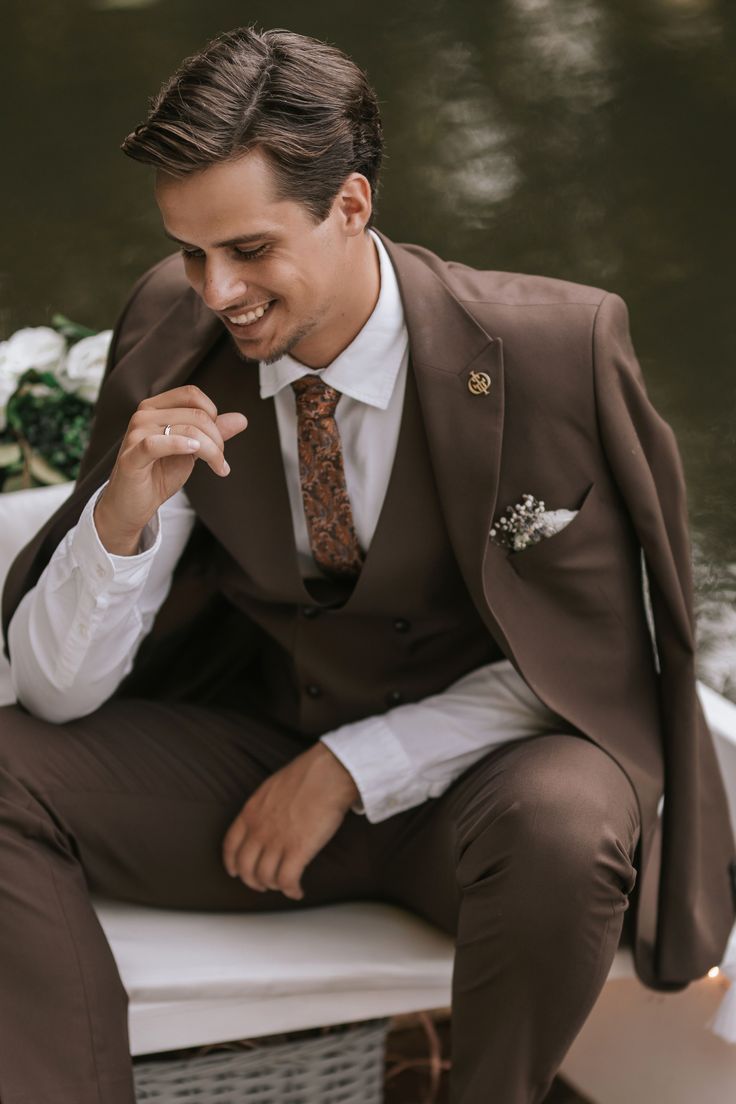
D. The Waist Button & Hug: The "X-Line" Test
The central anchor of your suit jacket is the active fastening button (the top button on a two-button jacket, or the middle button on a three-button jacket).
-
The Ideal Fit: Fastening the jacket button should pull the waist in slightly, creating a subtle hourglass shape that accentuates your shoulders and slims your midsection.
-
The Dreaded 'X' Crease: If deep, diagonal strain lines radiate outward from the button forming a distinct "X" shape, the jacket is significantly too tight across the midsection.
-
Excess Slack: If the fabric around the button bulges outward like a tent or allows several inches of empty space, the waist requires taking in by an experienced tailor ho chi minh professional.
E. Jacket Length: The Seat & Hand Guidelines
Finding the right jacket length balances your upper and lower body proportions. A jacket that is too short makes you look top-heavy; a jacket that is too long visually shortens your legs.
-
The Seat Coverage Rule: Traditional tailoring rules dictate that the suit jacket should cover 85% to 100% of your buttocks (rear seat).
-
The Cupped Hand Rule: Stand straight with your arms relaxed by your sides. The bottom hem of the jacket should rest comfortably in the curl of your fingers when you cup your hands upward.
-
Modern vs. Classic: While modern fashion trends occasionally advocate for shorter jackets, formal executive standards require full rear coverage to maintain corporate elegance.
F. Sleeves and Sleeve Length: Showing the Right Amount of Cuff
Sleeve fit involves two dimensions: circumference (width) and length.
-
Sleeve Width: The sleeve should follow the contour of your arm without feeling tight around your biceps or forearms.
-
Sleeve Length: With your arms hanging naturally at your sides, the jacket sleeve should end precisely at the wrist bone (where the base of your thumb meets your wrist).
-
Showing Linen: This positioning allows approximately 1/4 inch to 1/2 inch (0.6 cm to 1.3 cm) of shirt cuff to show beneath the suit jacket sleeve. Showing this sliver of shirt cuff frames the hand and adds a polished sartorial contrast.
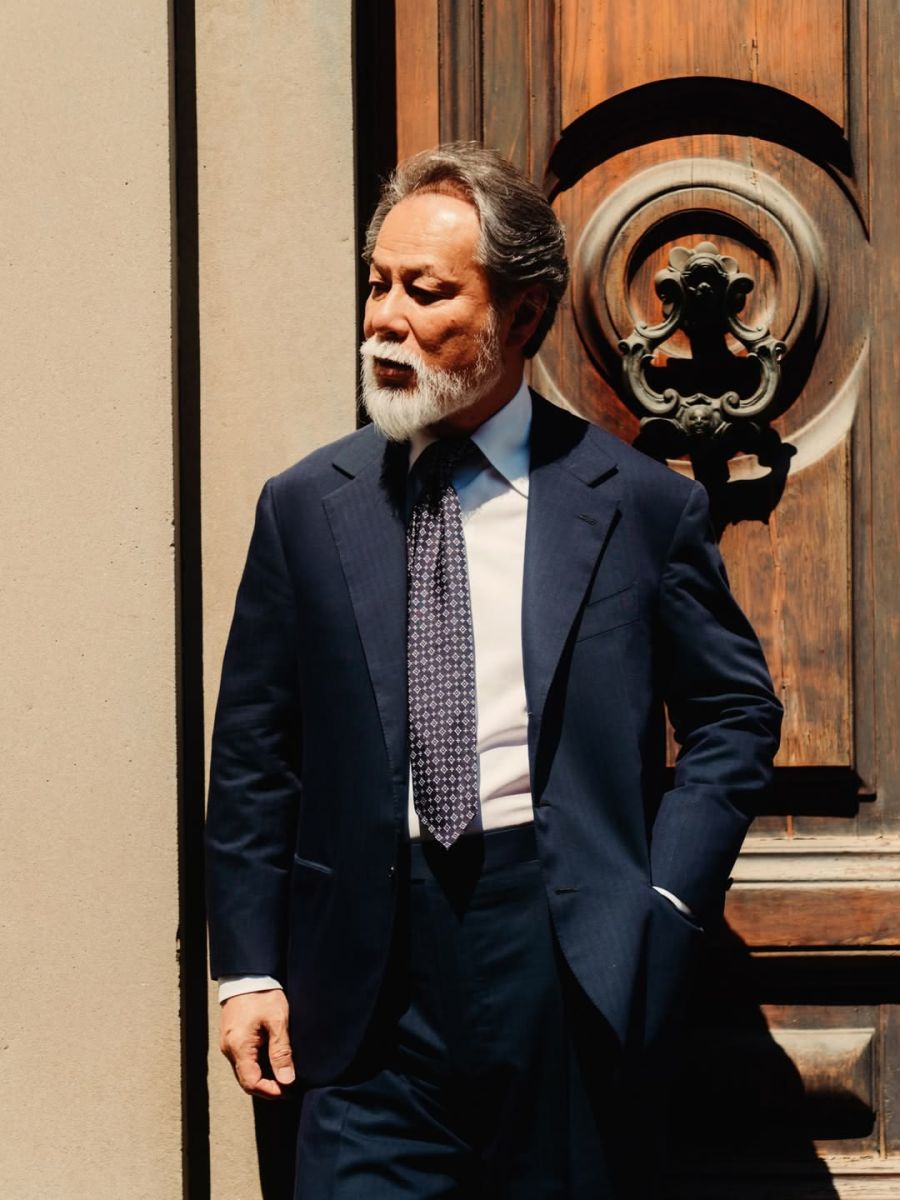
3. Mastering the Suit Trousers (Pants)
A impeccably fitted jacket paired with poorly tailored trousers ruins the entire aesthetic. Business suit trousers require precision fitting around the waist, seat, rise, and hem line.
A. The Waist and Rise: Natural Placement
Unlike modern denim or casual chinos that often sit low on the hips, classic business suit trousers are designed to sit higher up at your natural waistline (near your navel or just below it).
-
The Fit: Trousers should stay secure around your waist without requiring a belt to keep them from falling down. You should be able to fit two fingers inside the waistband comfortably.
-
The Rise: The rise (the distance from the crotch seam to the top of the waistband) must accommodate your body type. A proper rise prevents "sagging" in the rear or discomfort when sitting down.
B. The Seat and Thighs: Avoiding Baggy or Painted-On Looks
-
The Ideal Fit: The trouser seat should hug your buttocks cleanly without pulling tight across your hips or drooping underneath.
-
The "Pocket Flare" Test: Look at the side pockets of your trousers when standing naturally. If the pockets pull open or flare outward like wings, the trousers are too tight across the seat and hips.
-
Thigh Room: There should be enough room in the thigh area to pinch about 1 inch of loose fabric on either side when standing.
C. The Trouser Break: Choosing the Right Hem
The "break" refers to the fold or crease formed in the trouser fabric where the bottom of the pant leg meets your dress shoes.
| Break Style | Description | Recommended For |
| No Break | Pant hem skims the top of the shoe without touching. Shows full shoe and socks when walking. | Modern, slim, younger executives; shorter men wanting longer leg lines. |
| Slight / Quarter Break | Slight dent in the front crease where hem hits shoe; clean straight line at back. | Universal Corporate Standard. Highly recommended by Ba Vi Tailor. |
| Medium / Half Break | A noticeable fold across the shin/ankle. Classic and conservative. | Traditional corporate environments, mature gentlemen, wider pant leg cuts. |
| Full Break | Deep fold across the lower leg; hem rests heavily on shoe upper. | Generally discouraged in modern menswear as it looks sloppy and dated. |
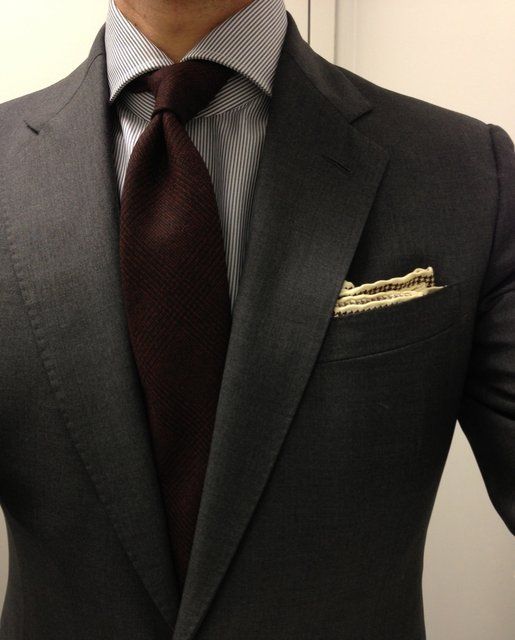
4. Special Focus: The Iconic Black Suit
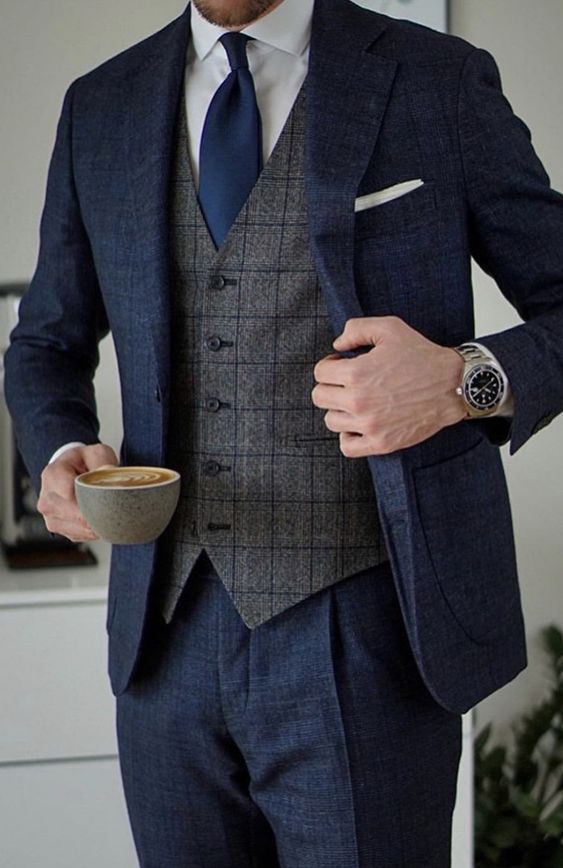
Among all sartorial options, the black suit occupies a unique place in a gentleman's wardrobe. A staple for formal events, evening galas, high-level business functions, and solemn occasions, a black suit demands absolute perfection in fit.
Why Fit Matters Most for a Black Suit
Because black absorbs light rather than reflecting it, the shadows and folds on an ill-fitted black suit become starkly visible under direct lighting. Excess fabric creates heavy, bulky outlines, while overly tight seams strain visibly against the dark cloth.
Tailoring Rules for the Black Business Suit
-
Precision Fabric Weight: Choose high-grade 100% wool (such as Super 120s or Super 130s) crafted by elite mills. Poor synthetic black fabric reflects a cheap sheen under fluorescent office lights.
-
Sharp Shoulder Structure: A black suit looks best with structured, defined shoulders to accentuate masculine lines.
-
Sleeve Linen Contrast: Ensure a crisp white dress shirt cuff shows exactly 1/2 inch below the black sleeve for maximum contrast and elegance.
-
Custom Fitting in Ho Chi Minh City: Getting your black suit tailored locally with a specialized tailor like Ba Vi Tailor guarantees that every shoulder, chest, and waist measurement is executed down to the millimeter.
5. Off-the-Rack vs. Made-to-Measure vs. Full Bespoke
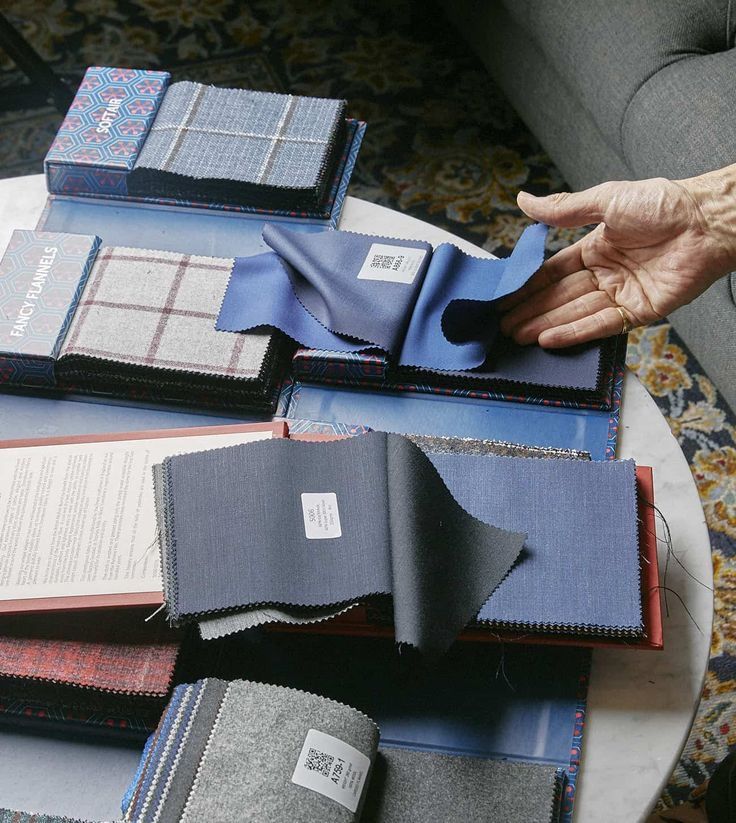
To achieve the ideal business suit fit, you must choose between three manufacturing methods. Understanding these distinctions helps you make smart investments for your wardrobe.
1. Off-the-Rack (Ready-to-Wear)
Mass-produced suits based on average standardized sizing templates.
-
Pros: Instant purchase, lower upfront cost.
-
Cons: Fits less than 10% of men properly without extensive alterations. Rigid shoulder construction cannot be altered easily.
2. Made-to-Measure (MTM)
A pre-existing jacket and trouser pattern modified according to your primary body measurements.
-
Pros: Better fit than off-the-rack; offers custom fabric choices.
-
Cons: Limited structural changes for complex postures, sloped shoulders, or asymmetrical torsos.
3. Full Bespoke Custom Suit
A brand-new master paper pattern drafted entirely from scratch based on 20+ precise body measurements, posture analysis, and shoulder slant evaluations.
-
Pros: Flawless personalized fit, total customization of canvas, lining, lapels, buttons, and hand-stitching details.
-
Cons: Requires time and intermediate fitting sessions—a hallmark of true artisanal craftsmanship.
6. Body Types & Tailoring Solutions
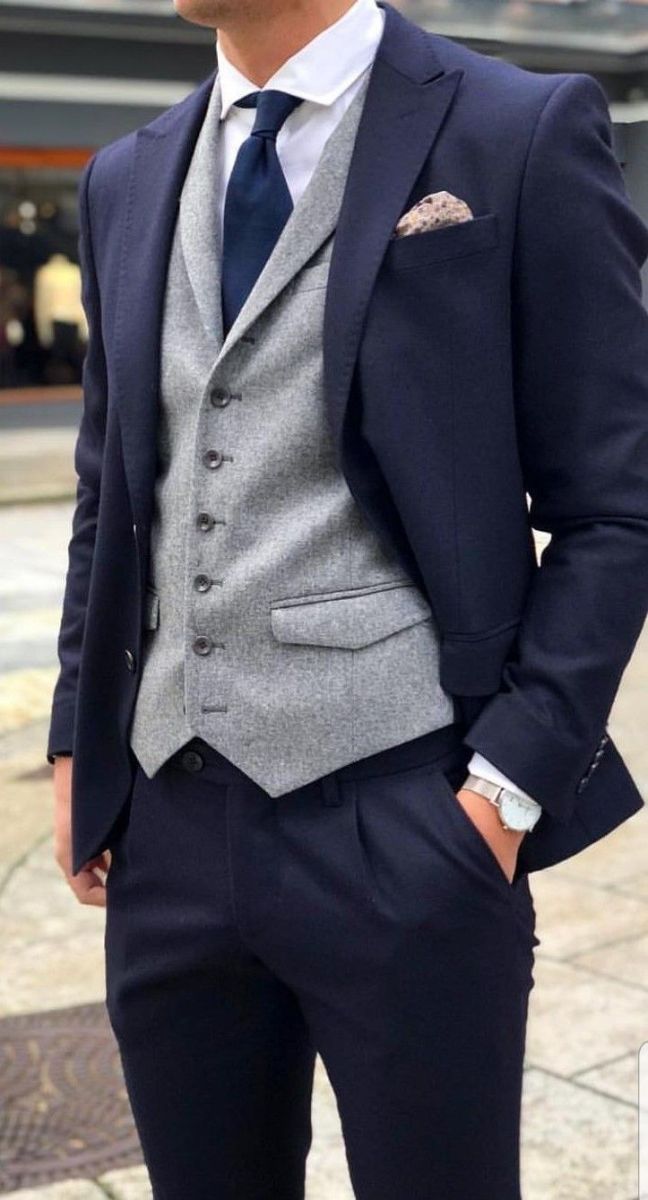
Every human body is unique. The secret to an extraordinary suit fit lies in understanding how tailored garments can rebalance physical proportions.
A. The Athletic / V-Shape Frame (Broad Shoulders, Small Waist)
-
Challenge: Off-the-rack jackets that fit the shoulders are far too wide at the waist, while trousers pull tight across muscular thighs.
-
Tailoring Solution: A custom jacket crafted with soft canvas, a natural shoulder, and pronounced waist suppression. Trousers require pleated or roomier thigh construction with a clean taper down to the ankle.
B. The Lean / Slim Frame
-
Challenge: Jackets look boxy and drown the frame in excess cloth.
-
Tailoring Solution: Narrower shoulders, slightly shorter jacket lengths, slimmer sleeve circumference, and flat-front tapered trousers to create a crisp, elongated silhouette without looking swimmy.
C. The Round / Heavy Frame
-
Challenge: Button strain across the belly and trousers slipping below the waistline.
-
Tailoring Solution: Mid-to-high rise trousers worn with side adjusters or suspenders (braces) to elongate the legs. A structured jacket with low button positioning creates a long, slimmest V-shape visually opening up the chest.
7. The Climate Factor: Custom Suit Fitting in Ho Chi Minh City
Fitting a business suit in tropical and warm environments—such as Ho Chi Minh City—requires special sartorial considerations. A suit that fits perfectly on paper will fail if it causes excessive perspiration or overheating during tropical commutes.
When sourcing a custom suit ho chi minh professionals prefer, factor in climate-responsive tailoring elements:
Lightweight, Breathable Fabrics
-
Tropical Wool: Super 110s to Super 130s lightweight wools (220g - 260g) offer natural temperature regulation, wrinkle resistance, and breathability.
-
Wool-Silk-Linen Blends: Excellent for elevated smart-business and summer formal events.
-
High-Twist Wools: Cool to the touch, highly durable, and ideal for frequent business travelers.
Interior Canvas & Lining Construction
-
Half-Canvas Construction: Provides structural chest integrity while allowing upper-body breathability.
-
Unlined or Quarter-Lined Jackets: Removing heavy polyester or thick silk linings from the back panel allows air circulation, keeping you cool during warm outdoor transitions in Saigon.
8. Checklist: The 10-Point "Fit Guarantee" Test
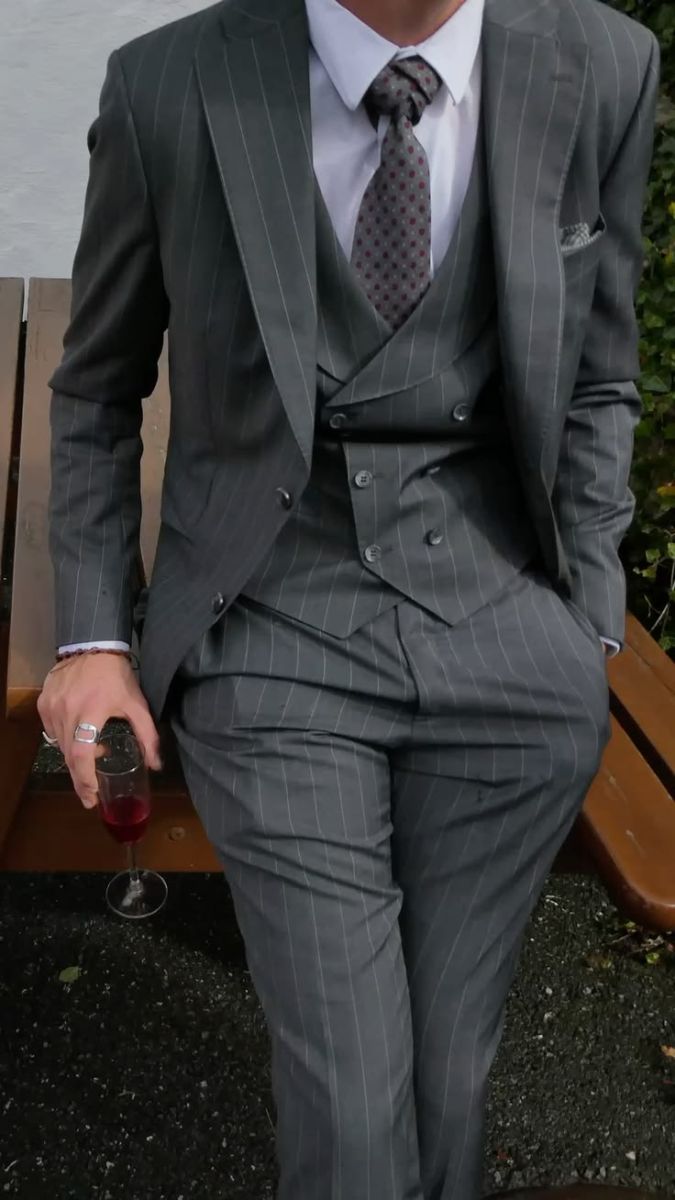
Before leaving your tailoring appointment or purchasing a new business suit, perform this quick 10-point inspection in front of a full-length mirror:
-
Shoulders: Are the shoulder seams lying flat without dimples or overhang?
-
Collar: Is the jacket collar sitting flush against your shirt collar without a gap?
-
Chest: Do the lapels rest flat across your chest without bowing outward?
-
Waist: Is the top button closing comfortably without forming an "X" crease?
-
Back: Is your upper back smooth and free of vertical tightness or horizontal rolls?
-
Jacket Length: Does the jacket hem cover your seat and sit naturally in your cupped fingers?
-
Sleeves: Is approximately 1/4 inch to 1/2 inch of shirt cuff visible?
-
Trouser Waist: Do your pants sit comfortably at your waist without slipping down?
-
Seat & Thighs: Can you sit down without feeling extreme tension across the rear or crotch?
-
Trouser Break: Does the hem skim the top of your shoes with a clean, subtle break?
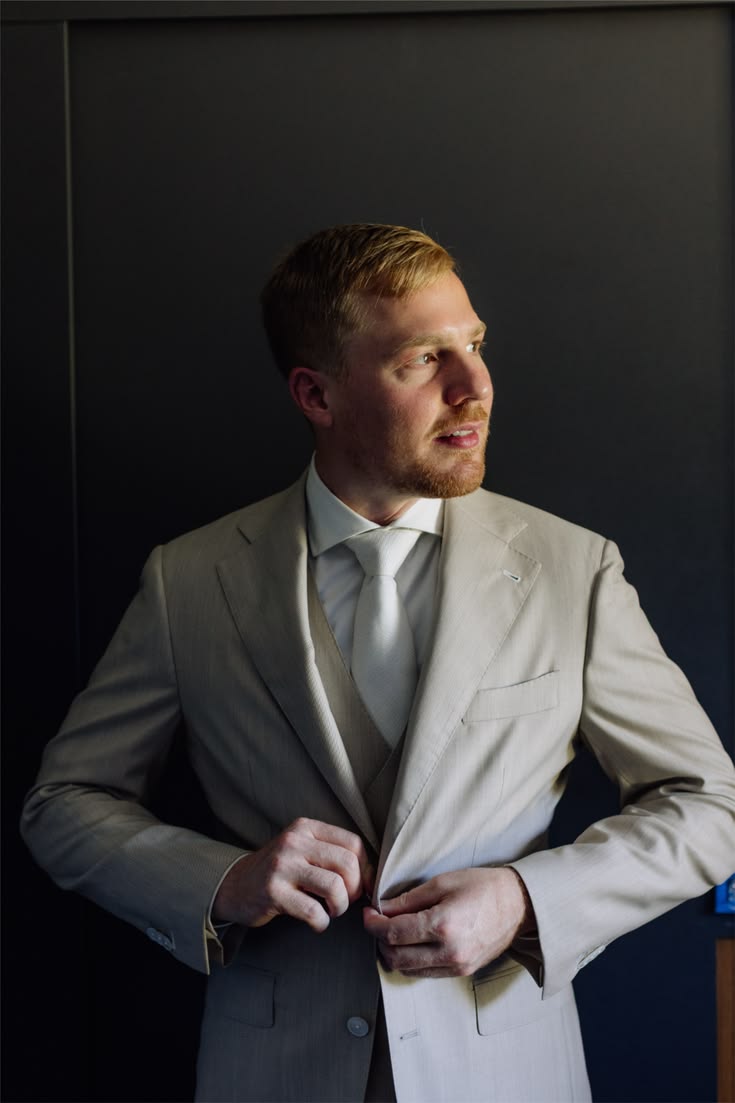
9. Why Choose Ba Vi Tailor for Your Next Bespoke Suit?
When searching for the best tailor ho chi minh tailored menswear community respects, Ba Vi Tailor stands out as a beacon of artisanal tradition, precision drafting, and contemporary sartorial style.
Located in the historic heart of District 1, Ba Vi Tailor has served corporate leaders, expatriate executives, diplomats, and international travelers for years. Our dedication to classic bespoke tailoring guarantees that every suit leaving our atelier is a masterwork of fit, comfort, and distinction.
What Sets Ba Vi Tailor Apart?
-
Uncompromising Craftsmanship: Every suit ho chi minh client orders is individually drafted by master tailors with decades of experience.
-
Extensive Fabric Collection: We stock thousands of premium wools, cashmeres, linens, and silks imported directly from renowned European mills in Italy and Great Britain.
-
Flawless Fit Guarantee: We do not rest until your suit sits flawlessly across your shoulders, chest, and trousers.
-
Versatile Expertise: From timeless navy two-piece corporate uniforms to immaculate black suit tuxedos and modern linen jackets, we bring your exact vision to life.
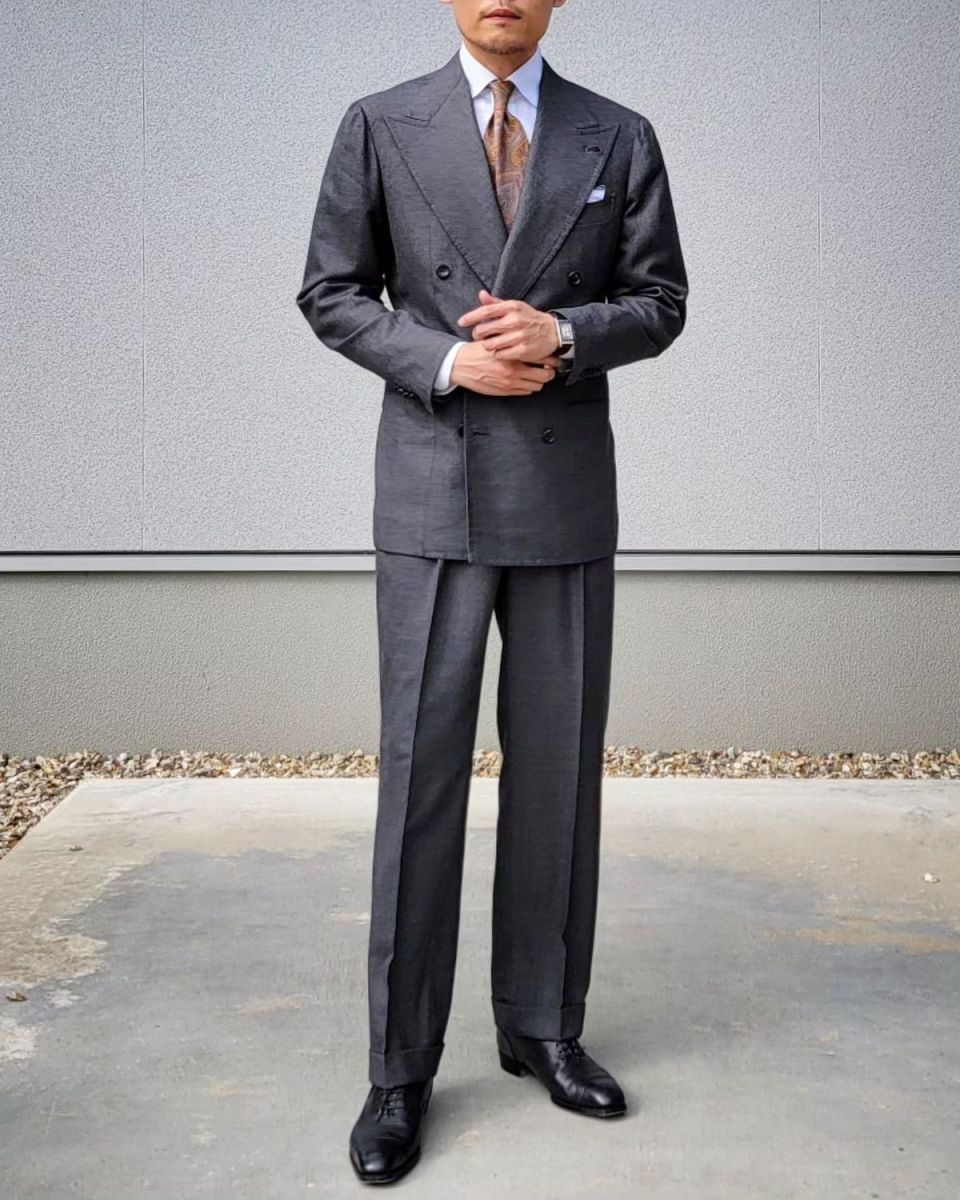
10. Frequently Asked Questions (FAQs)
Q1: How long does it take to tailor a custom suit in Ho Chi Minh City at Ba Vi Tailor?
Typically, a full bespoke suit process takes between 3 to 7 days, including intermediate fitting sessions to ensure a flawless contour. Express fitting services are available for international travelers upon request.
Q2: How many fittings are required for a bespoke custom suit?
For new clients, we recommend 1 to 2 fitting sessions. The first fitting checks the shoulder alignment and canvas drape; the second fitting fine-tunes sleeve length, trouser breaks, and waist suppression.
Q3: Can an old suit be altered to fit better if I lost or gained weight?
Yes. An experienced tailor ho chi minh like Ba Vi Tailor can alter the waist, seat, trouser length, and jacket midsection. However, shoulder widths and jacket lengths have structural limitations.
Q4: Should I wear my business dress shoes to my suit fitting?
Absolutely. Bringing the dress shoes you intend to wear with your suit ensures that your trouser hem and break length are measured with 100% accuracy.
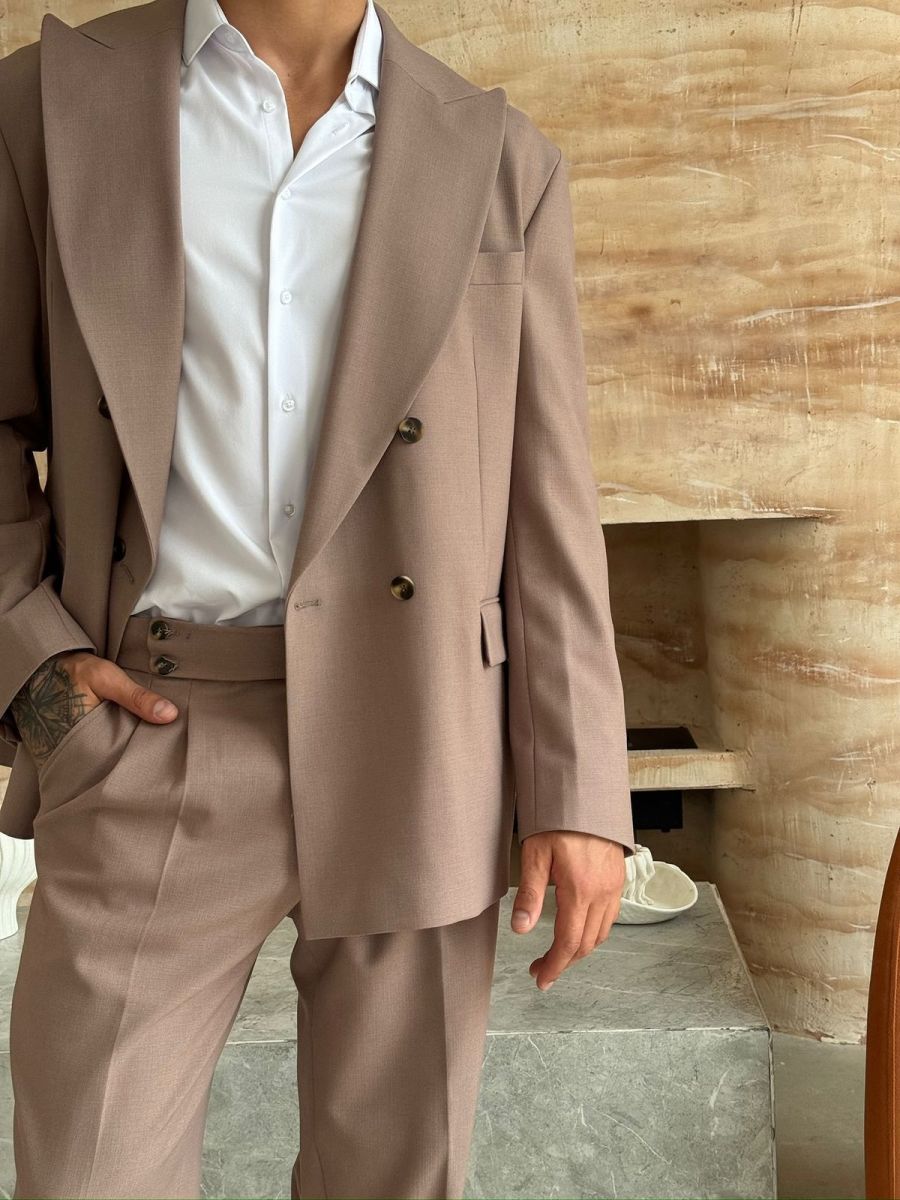
Elevate Your Professional Image Today
A masterfully tailored suit is more than clothing—it is an investment in your personal brand, self-confidence, and career trajectory. Do not settle for off-the-rack compromises when world-class bespoke tailoring is available right in the heart of Saigon.
Experience the art of authentic tailoring with Ba Vi Tailor—your premier choice for a custom suit ho chi minh.
Contact Us & Book Your Fitting Consultation:
-
Brand Name: Ba Vi Tailor
-
Address: 329/2 Dien Bien Phu Street, Quarter 6, Ban Co Ward, Ho Chi Minh City, Vietnam
-
Phone / WhatsApp: 0918 430 194
-
Official Website: bavitailor.com


