


Stepping into a well-tailored suit is one of the most empowering experiences a modern gentleman can have. The right jacket enhances your shoulders, narrows your waist, and lengthens your silhouette, projecting an air of effortless authority and refined elegance. Conversely, an ill-fitting suit—no matter how expensive the designer label—can make even the most confident professional appear careless or uncomfortable.
For many men, buying a suit has historically meant walking into a high-end department store, choosing a size off the rack, and hoping for the best. However, off-the-rack garments are manufactured using generic statistical averages designed to fit as many body types as possible superficially. Because no two human bodies are identical, mass-produced clothing inherently compromises on proportions.
If you want to know how to get the perfect fit every time, the answer lies in understanding the mechanics of bespoke tailoring and partnering with a master artisan. At Ba Vi Tailor, widely recognized as a top-tier destination for anyone seeking the best tailor ho chi minh, we believe that true style is rooted in flawless fit, exquisite craftsmanship, and personalized design.
In this exhaustive 3,000-word sartorial guide, we will break down the crucial anatomy of a suit fit, explore the step-by-step bespoke journey, examine fabric selection for various climates, reveal how to style the timeless black suit, and explain why commissioning a custom suit ho chi minh will permanently elevate your wardrobe.
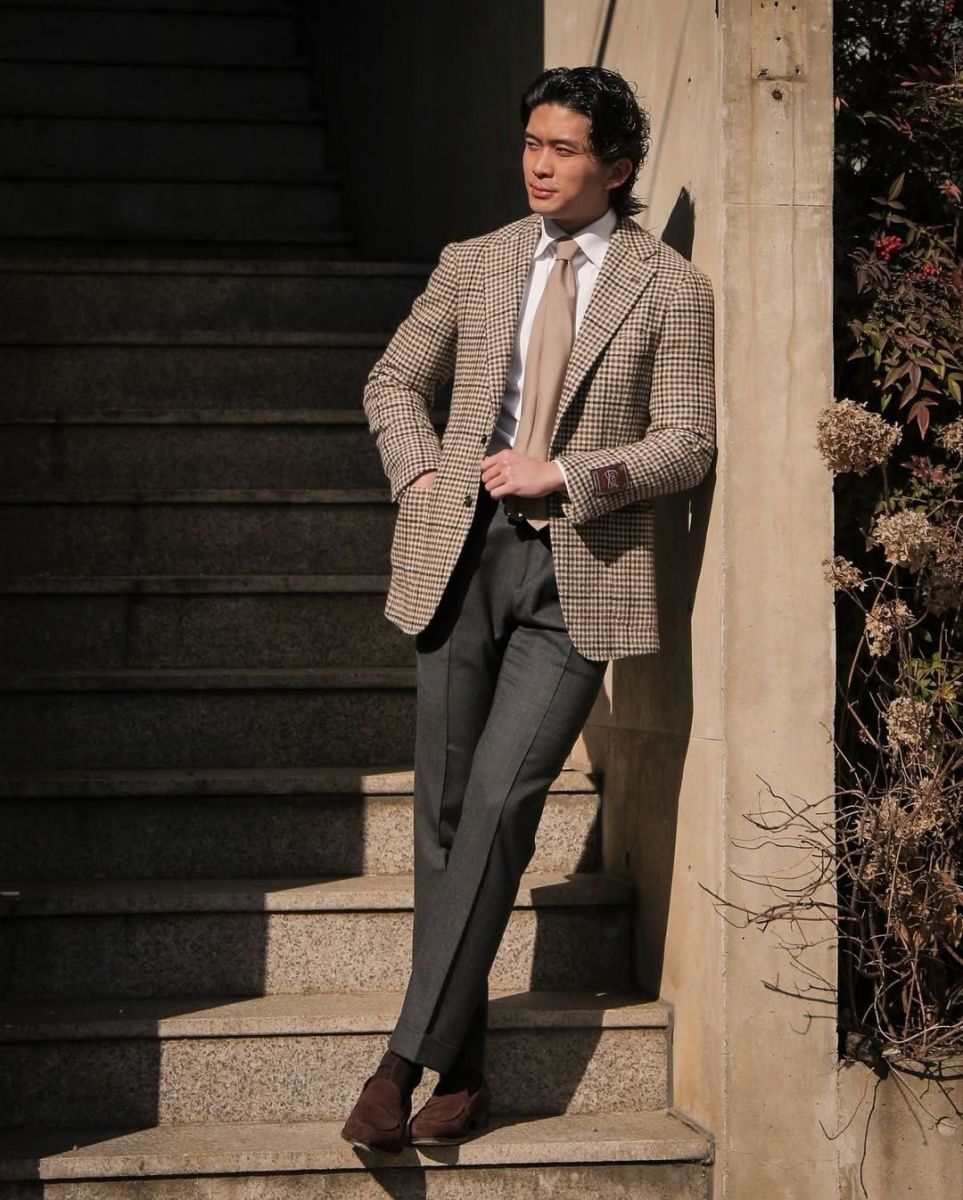
Section 1: The Anatomy of a Flawless Fit – The Golden Rules
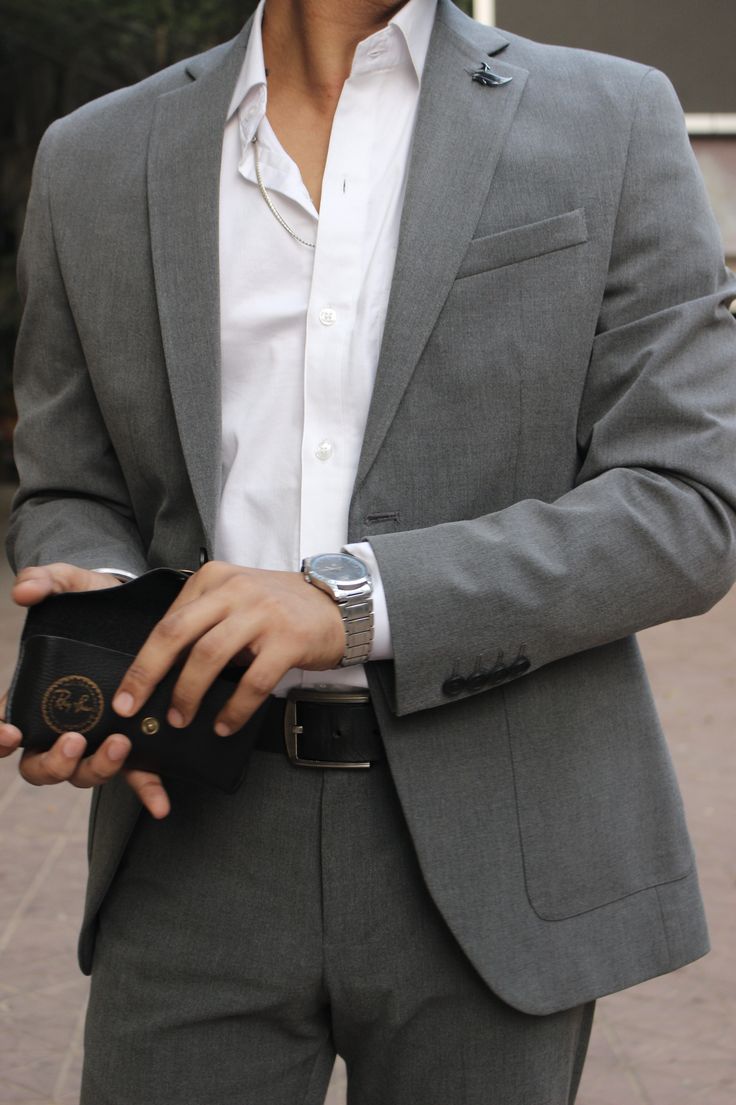
Achieving a flawless drape requires a deep understanding of how each panel of a jacket and pair of trousers interacts with your unique frame. When assessing a suit in front of a mirror, these are the non-negotiable structural benchmarks every gentleman must check.
1. The Shoulders: The Unforgiving Foundation
The shoulder structure is the single most critical element of any suit jacket. While a skilled tailor can easily modify the waist, sleeve length, or trouser hem, altering a jacket's shoulder width requires completely deconstructing the coat—a complex, costly endeavor that often disrupts the entire balance of the garment.
-
The Perfect Fit: The seam connecting the sleeve to the shoulder line must rest precisely where your natural shoulder bone ends and your upper arm begins to curve downward. The fabric should drape smoothly over your shoulder blade without pulling across your back or sagging past your arm line.
-
Signs of Bad Fit: If you notice small indentations or ripples just below the shoulder seam (known as "shoulder divots"), the jacket is either too tight across the back or the shoulder structure does not match your natural posture. If the padding hangs noticeably past your arms, the coat is too large and will create a top-heavy, boxy appearance.
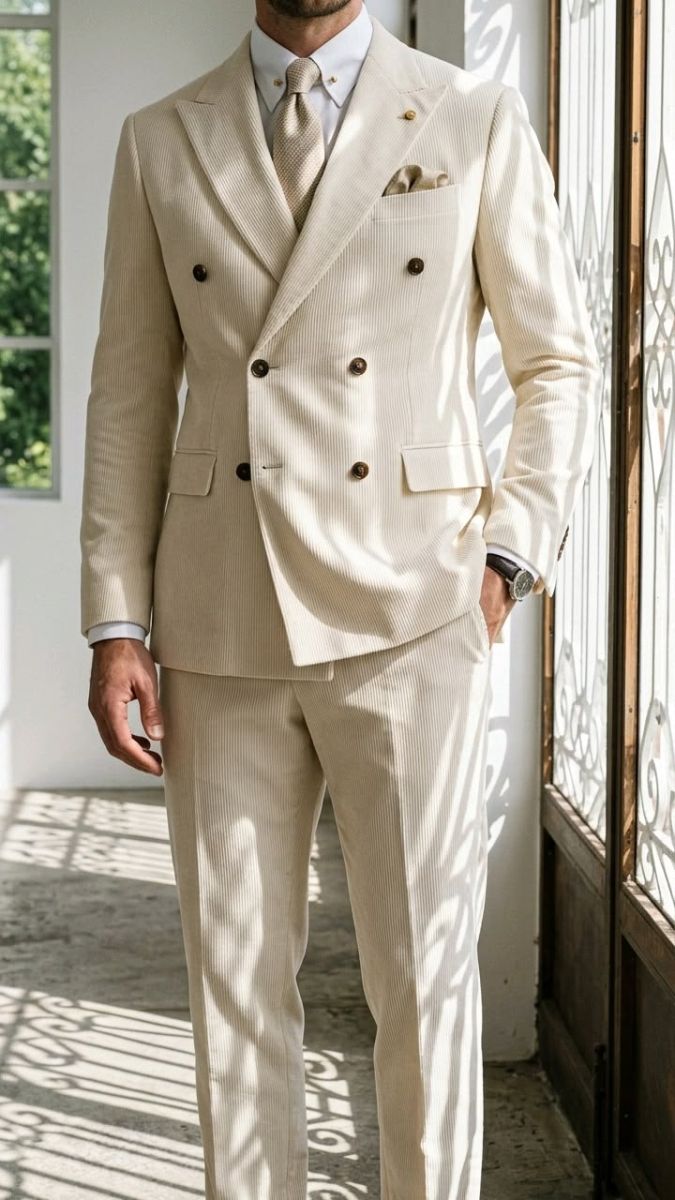
2. The Chest and Lapels: Flat, Flush, and Elegant
Your chest creates the visual focal point of your upper body. The chest area of a suit ho chi minh jacket must strike a precise balance between sharp structure and natural comfort.
-
The Perfect Fit: The lapels should lie completely flat against your shirt chest when standing naturally. When you button the jacket, you should be able to slide a flat hand comfortably between your chest and the fabric, while a closed fist should create gentle resistance.
-
Signs of Bad Fit: A common flaw in ready-to-wear garments is "lapel gape"—where the lapels bow outward away from the shirt, exposing the tie underneath. This happens when the jacket is too narrow across the chest or tight around the waist. Conversely, excess fabric folding over the chest means the front canvas lacks proper shaping.
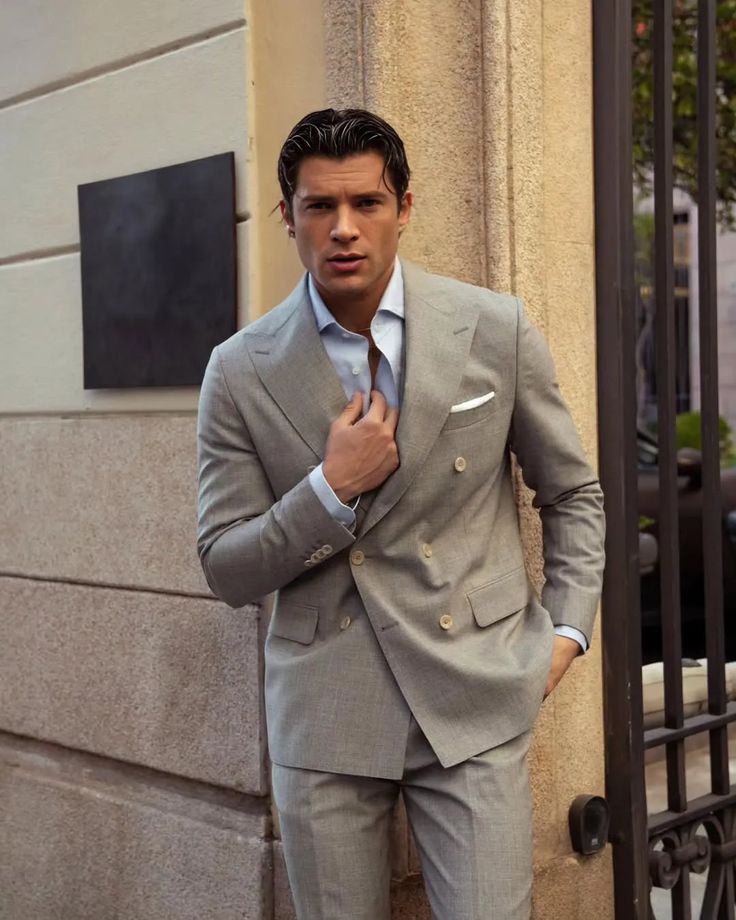
3. The Collar: Constant Contact Without Tension
The jacket collar serves as the frame for your dress shirt collar, neck, and tie knot.
-
The Perfect Fit: The rear jacket collar must hug your shirt collar smoothly with zero gap in between. Ideally, roughly 1/2 inch (1.2 to 1.5 cm) of your dress shirt collar should remain visible above the jacket collar at the back of your neck.
-
Signs of Bad Fit: A visible gap between your jacket collar and shirt collar ("collar gap") indicates poor upper-back posture drafting or an improperly angled shoulder line. If you see a roll or horizontal wrinkle of bunched fabric directly below the collar line on your upper back, the jacket collar is set too high for your neck pitch.
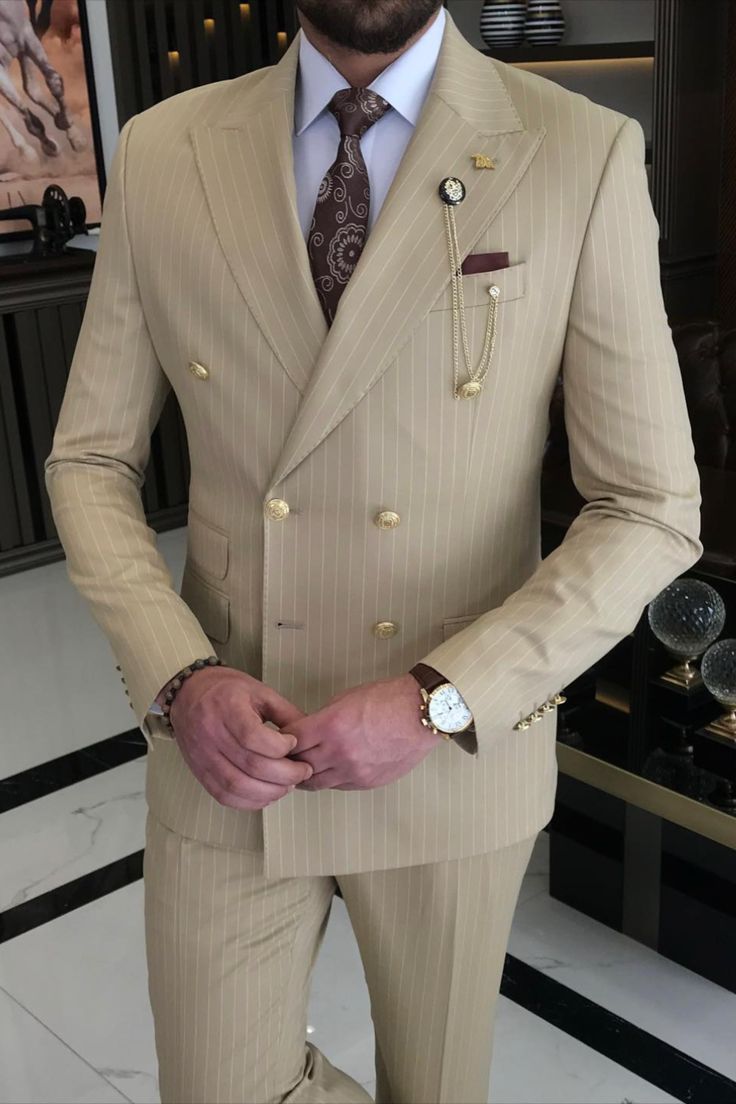
4. Sleeve Length and Cuff Exposure
Sleeve length establishes visual harmony between your arms and your torso, creating an optical balance that enhances your posture.
-
The Perfect Fit: When your arms hang naturally at your sides, the jacket sleeve should end cleanly at the top of your wrist bone (where your wrist joins your thumb). This allows between 1/4 inch and 1/2 inch of your shirt cuff to extend past the jacket sleeve, adding a refined accent of color and texture.
-
Signs of Bad Fit: Sleeves that completely swallow your shirt cuff make the suit appear borrowed or oversized. Sleeves that end high up the forearm make the jacket look outgrown and expose too much shirt fabric.
5. The Waist and Buttoning Point
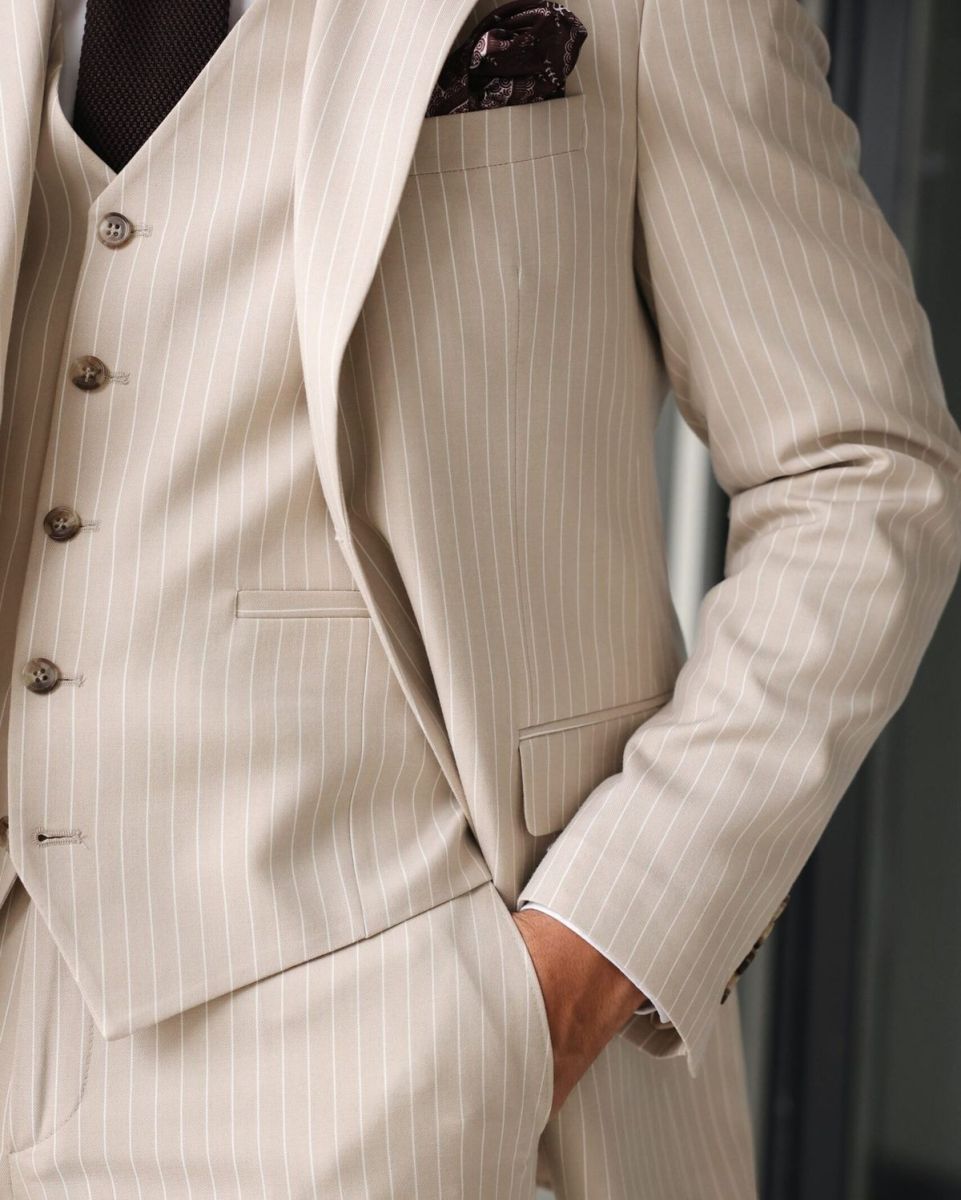
The main closure button (the top button on a two-button jacket or the middle button on a three-button jacket) creates the focal pivot point of your silhouette.
-
The Perfect Fit: When the top button is fastened, the jacket should gently hug your waistline, tapering inward to highlight a natural V-shape before flaring softly over your hips. The quarters (the lower front skirts of the jacket below the button) should part cleanly without exposing the shirt fabric above your trouser waistband.
-
Signs of Bad Fit: If horizontal pulling lines originate from the main button forming a distinct "X" shape, the jacket is overly tight around the stomach. If the sides droop loosely with deep folds, the jacket lacks proper waist suppression.
Section 2: Why Commissioning a Custom Suit in Ho Chi Minh City is the Ultimate Sartorial Move
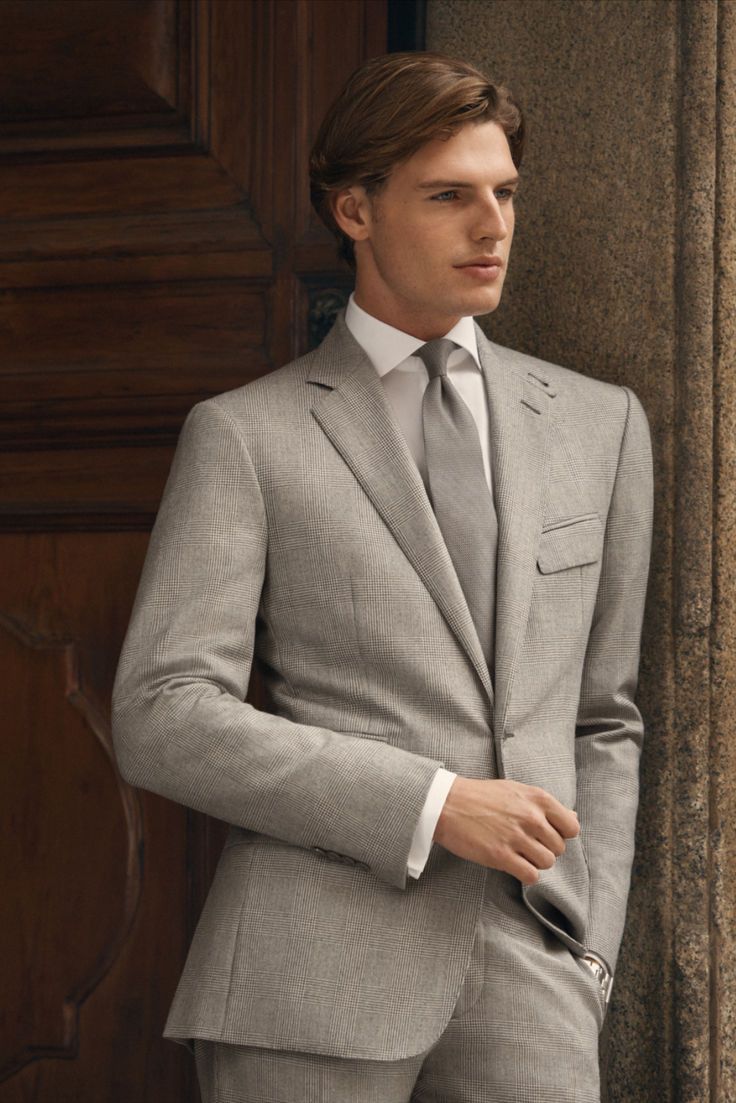
Over the past decade, Ho Chi Minh City (Saigon) has emerged as one of Southeast Asia's primary destinations for luxury menswear, bespoke tailoring, and high-end artisanal craftsmanship. Global travelers, international executives, and discerning local residents regularly seek out a premier tailor ho chi minh to build their wardrobes.
When you choose to order a custom suit ho chi minh at Ba Vi Tailor, you unlock several distinct sartorial advantages that mass-produced garments simply cannot deliver:
1. Tailored for Body Asymmetry and Posture
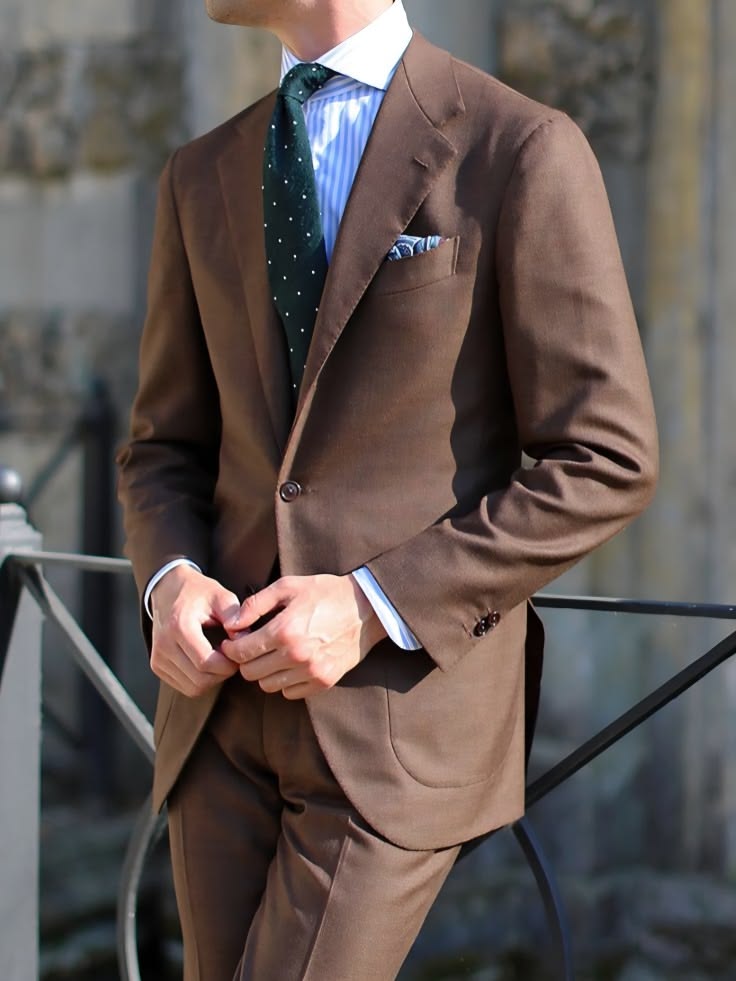
Human bodies are naturally asymmetrical. One of your shoulders may sit slightly lower than the other; your posture may tilt forward due to desk work; or your torso length might be disproportional to your leg length. Mass production assumes symmetry. A bespoke suit crafted by an experienced artisan accounts for every millimeter of asymmetry, creating custom pattern pieces that balance your proportions visually.
2. Climate-Intelligent Fabric Selection
Living in or visiting tropical environments requires thoughtful fabric strategy. Off-the-rack suits are frequently made with synthetic blends or heavy wools that trap heat and moisture. At Ba Vi Tailor, we specialize in sourcing lightweight, high-twist wools, linen-silk blends, and breathable cottons that allow air to circulate freely while retaining a crisp, wrinkle-resistant shape throughout the hot Saigon day.
3. Exceptional Craftsmanship and Value
In historical sartorial capitals like London's Savile Row or Milan's Via Monte Napoleone, a fully hand-canvassed bespoke suit can command astronomical price points. In Ho Chi Minh City, world-class tailors utilize the exact same imported European fabrics (from renowned mills in Italy and the UK) and centuries-old hand-stitching techniques at a fraction of the cost—delivering unparalleled value for investment-grade menswear.
Section 3: The Ba Vi Tailor Bespoke Process – Crafting Your Perfect Suit
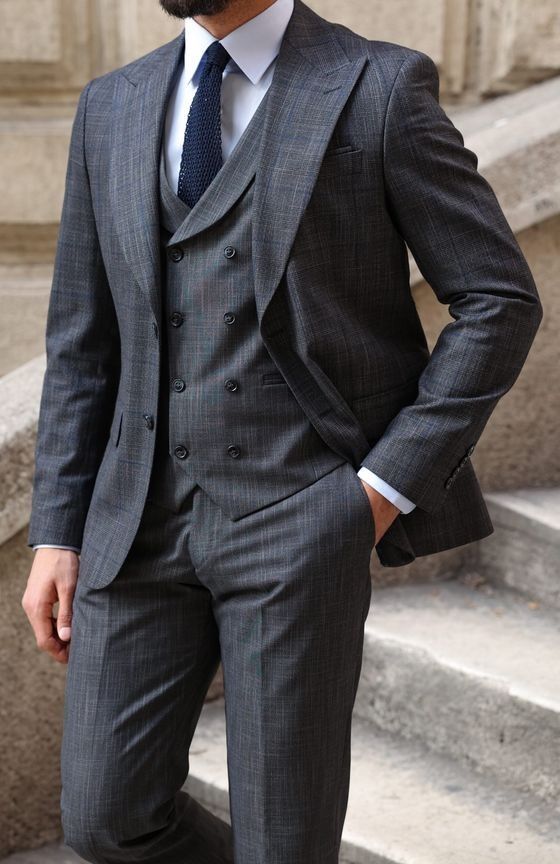
Achieving "the perfect fit every time" is not a matter of luck; it is a systematic, time-tested process carried out with patient precision. Here is what you will experience during your tailoring journey at Ba Vi Tailor.
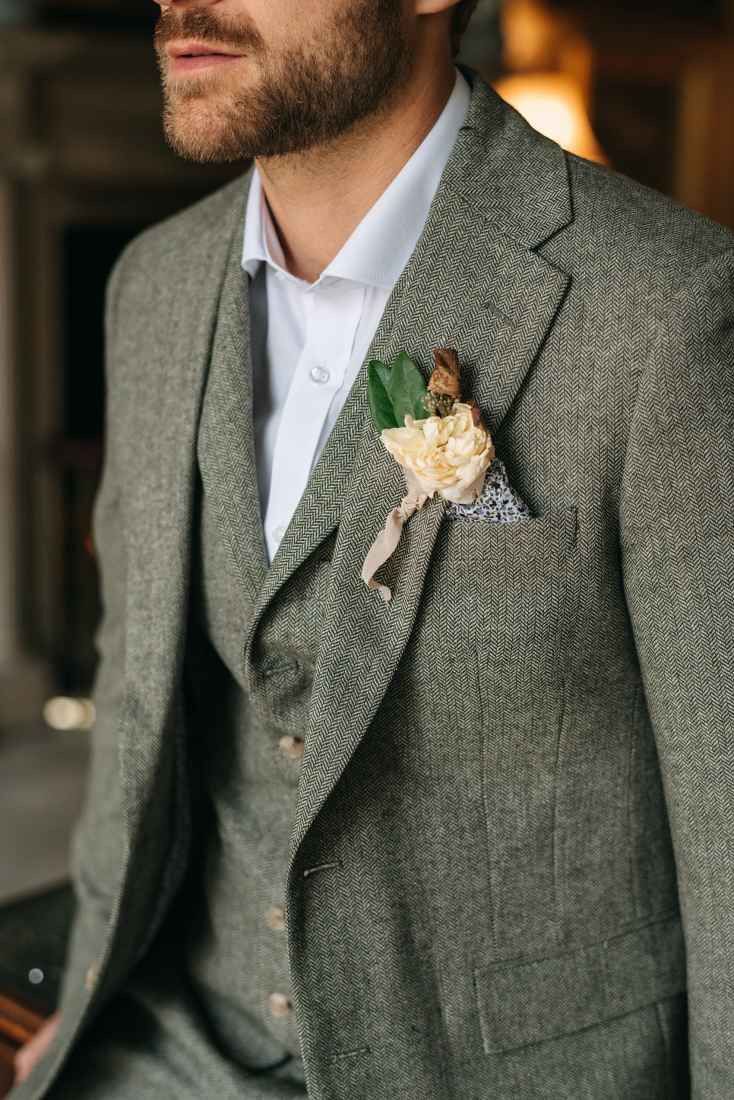
Step 1: In-Depth Style & Purpose Consultation
Every masterpiece begins with understanding your specific vision. During your initial consultation at our District 1 studio, we discuss the primary function of your suit. Are you dressing for an outdoor tropical wedding, high-stakes corporate negotiations, formal black-tie galas, or versatile smart-casual evenings?
We review essential styling elements, including:
-
Lapel Styles: Classic notch lapels, dramatic peak lapels, or sleek tuxedo shawl collars.
-
Button Configurations: Single-breasted (one, two, or three buttons) versus double-breasted arrangements.
-
Vent Variations: Single central vent, double side vents for effortless pocket access, or ventless back construction.
-
Linings & Details: Full silk linings, breathable half-lined construction, custom horn or mother-of-pearl buttons, and personalized pick-stitching along the lapels.
Step 2: Comprehensive Body Measurement & Posture Evaluation
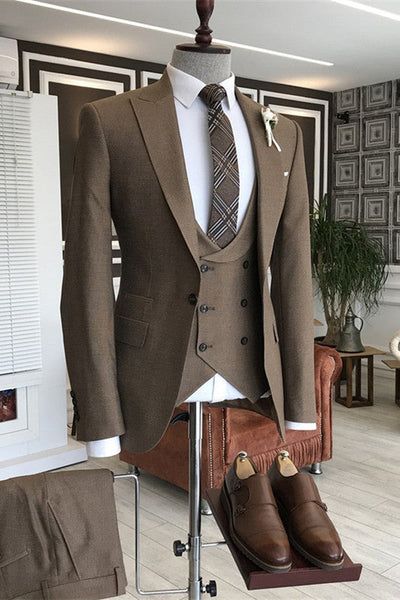
Next, our master tailors take over 20 precise physical measurements. However, numbers alone do not tell the full story. We conduct a thorough visual assessment of your natural posture, analyzing:
-
Shoulder slope and asymmetry
-
Incline of the chest and spine curvature
-
Arm pitch (how your arms rest naturally at ease)
-
Stance and waist position
Step 3: Individual Pattern Drafting & Fabric Cutting
Unlike made-to-measure shops that alter existing factory templates, Ba Vi Tailor drafts an entirely individual paper pattern from scratch for every client. This paper template is then meticulously traced onto your chosen fabric and cut by hand using traditional tailoring shears.
Step 4: The Baste Fitting (The Skeleton Stage)
The baste fitting is where true bespoke magic occurs. The suit components are temporary stitched together using contrasting white cotton thread, without linings, pockets, or finished shoulder pads.
During this fitting, the master cutter fits the loose canvas shell directly onto your body. Threads are clipped, panels are pinned, and seams are shifted to sculpt the silhouette perfectly around your torso. This ensures that the internal floating horsehair canvas conforms seamlessly to your contours.
Step 5: Secondary Fitting & Fine Tuning
Once the structural canvas is finalized, the suit is constructed with its permanent linings, real pockets, and hand-padded lapels. During the secondary fitting, we examine micro-details: adjusting sleeve length to the millimeter, perfecting trouser break over your footwear, and verifying collar stance.
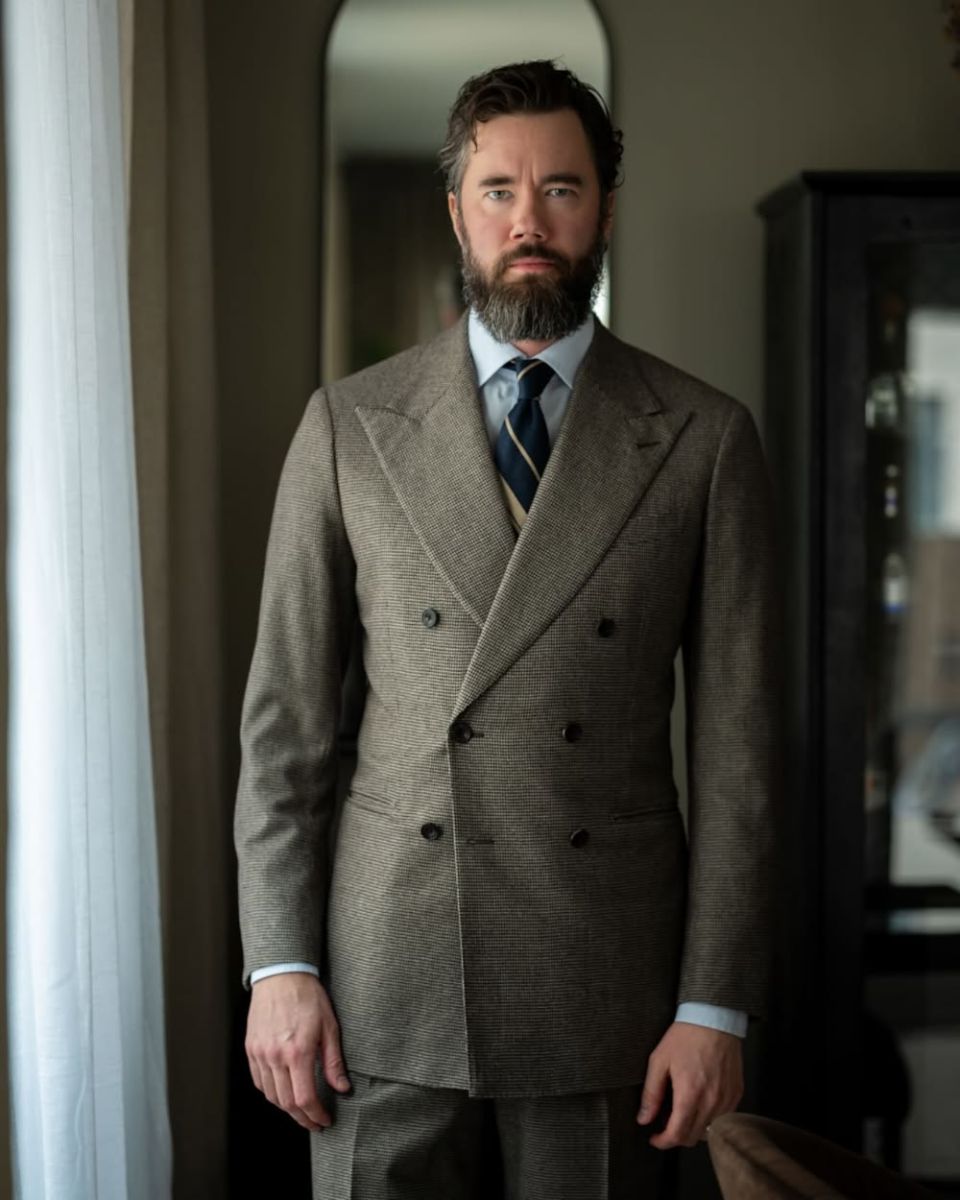
Step 6: Hand-Finishing and Final Unveiling
The finished garment undergoes detailed hand-stitching, buttonhole embroidery, and meticulous steam pressing. When you put on your completed garment during the final fitting, you will feel the undeniable difference: a suit that feels weightless on your shoulders, moves naturally with your body, and displays zero tension lines.
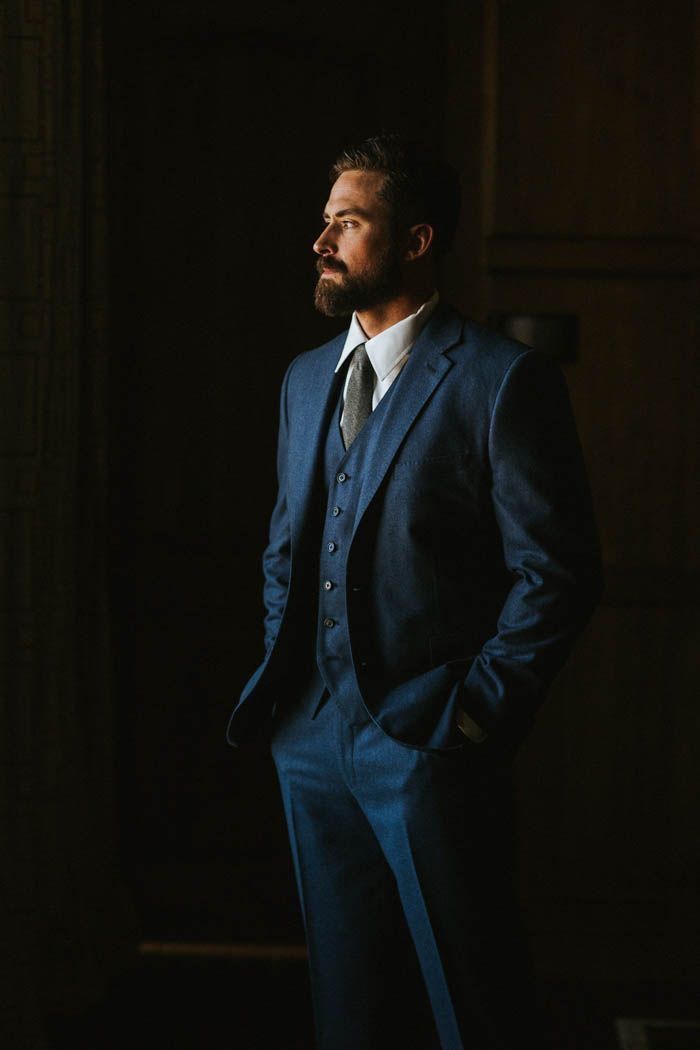
Section 4: Mastering the Timeless Black Suit
Among all menswear essentials, few items possess the commanding presence, crisp contrast, and sartorial authority of a tailored black suit. While blue and gray suits dominate daily corporate offices, the black suit is the undisputed king of formal sophistication, evening elegance, and modern minimalism.
Why Precision Fit is Essential for Black Suits
Black fabric naturally absorbs light, creating a sharp, slimming silhouette. However, this high contrast also means that fit flaws—such as sagging shoulders, horizontal pulling lines, or pooling trouser hems—are immediately noticeable under direct lighting. A black suit must fit flawlessly to achieve its intended impact.
Choosing the Right Fabric for a Black Suit
When ordering a black suit at Ba Vi Tailor, fabric weight and weave are critical considerations:
-
Wool-Mohair Blends: Mohair adds a subtle sheen and exceptional crease resistance, reflecting evening light beautifully during formal dinners or red-carpet events.
-
High-Twist Tropical Wool: Super 120s to Super 130s lightweight wools ensure breathability, making your black suit comfortable even in warm Saigon evening weather.
-
Barathea Weave: The traditional choice for formal tuxedos, featuring a pebbled texture that adds rich depth to deep black dye.
Versatile Ways to Style Your Black Suit
-
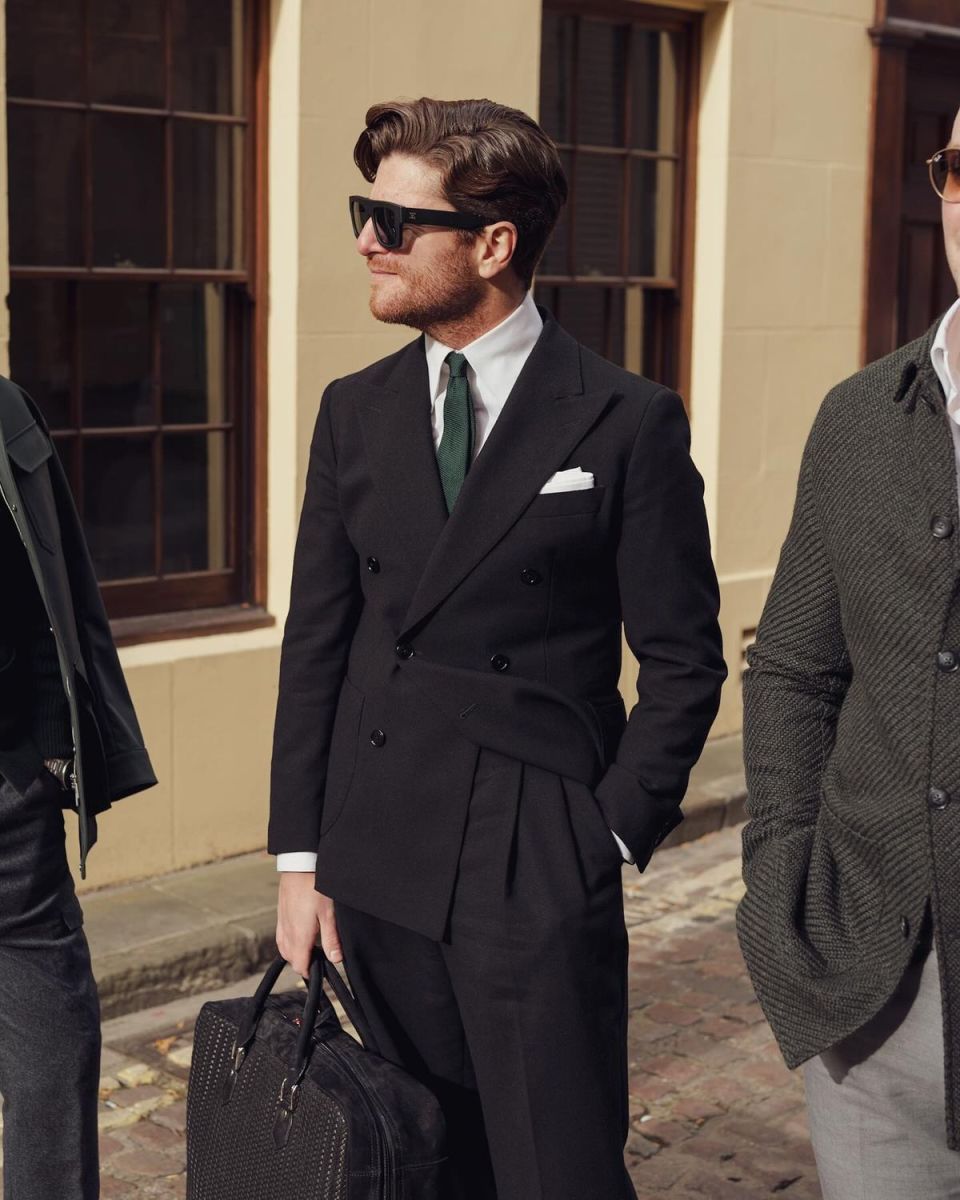
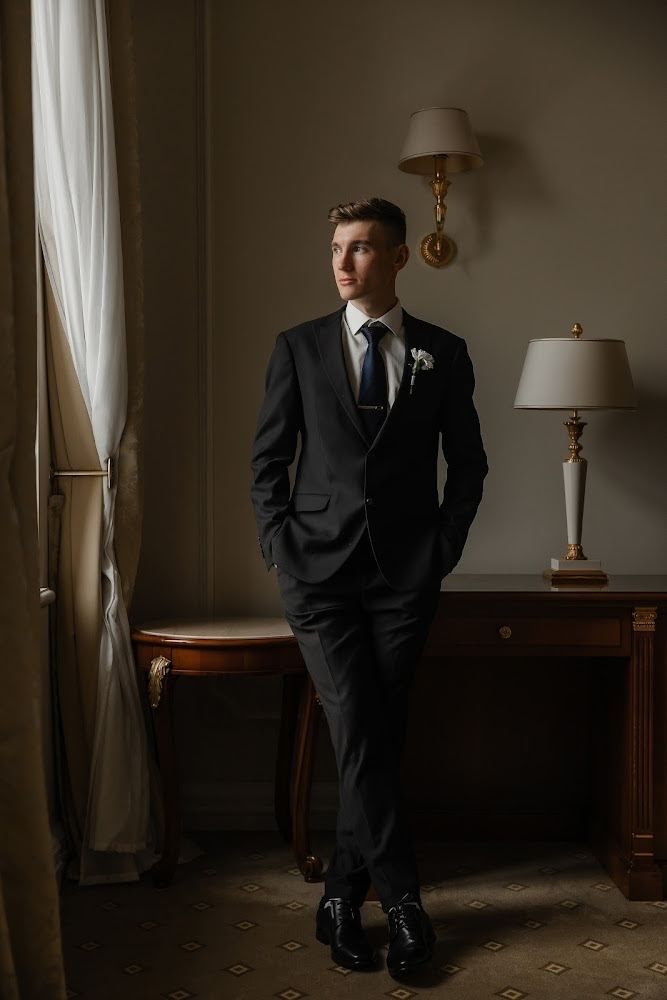
The Classic Formal Look: Pair your black suit jacket and trousers with a crisp white dress shirt, a 100% black silk tie, a white linen pocket square, and polished black leather Oxford shoes for timeless, uncompromising elegance.
-
Modern Evening Monochrome: For gallery openings, cocktail parties, or upscale dinners, pair your black custom suit with a fine-gauge black merino crewneck or charcoal turtleneck. This creates a streamlined, modern aesthetic that feels effortless yet sophisticated.
-
Bespoke Separates: Wear your black tailored suit jacket as an independent blazer over charcoal trousers, or pair your black tailored trousers with a cream linen jacket for refined contrast.
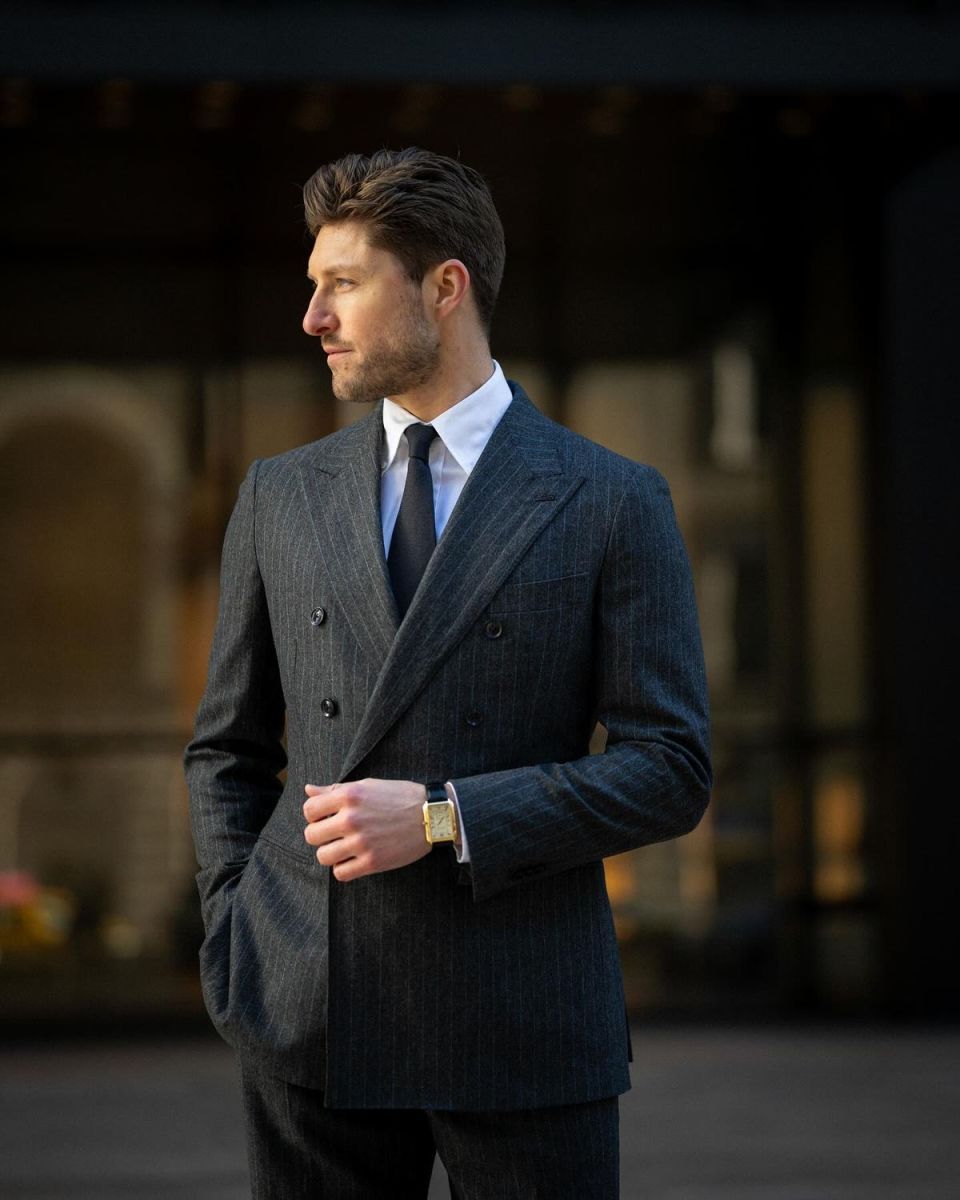
Section 5: Essential Fabric Selection for Tropical Climates
Selecting the correct fabric is just as important as perfecting the measurements. If your fabric is too heavy or unbreathable, you will feel uncomfortable regardless of how well the suit is cut.
1. Tropical Merino Wool (Super 110s – Super 130s)
Merino wool is nature's ultimate performance fiber. High-twist tropical wools are woven with tightly twisted yarns that leave micro-gaps in the weave, allowing air to pass through while keeping the fabric light and springy. Tropical wool resists wrinkles naturally, making it the perfect choice for daily business attire in Ho Chi Minh City.
2. Linen and Linen Blends
Linen is synonymous with warm-weather elegance. Derived from flax fibers, linen is extremely lightweight and moisture-wicking. While pure linen is famous for its natural, relaxed rumpling, combining linen with fine wool or silk preserves breathability while adding structural sharpness to lapels and hems.
3. Cotton and Solaro Weaves
Tailored cotton suits offer a sharp, casual charm ideal for daytime meetings, weekend events, or creative environments. Solaro fabrics—featuring dual-tone iridescent weaves—reflect sunlight away from the body, offering a striking, distinctive aesthetic.
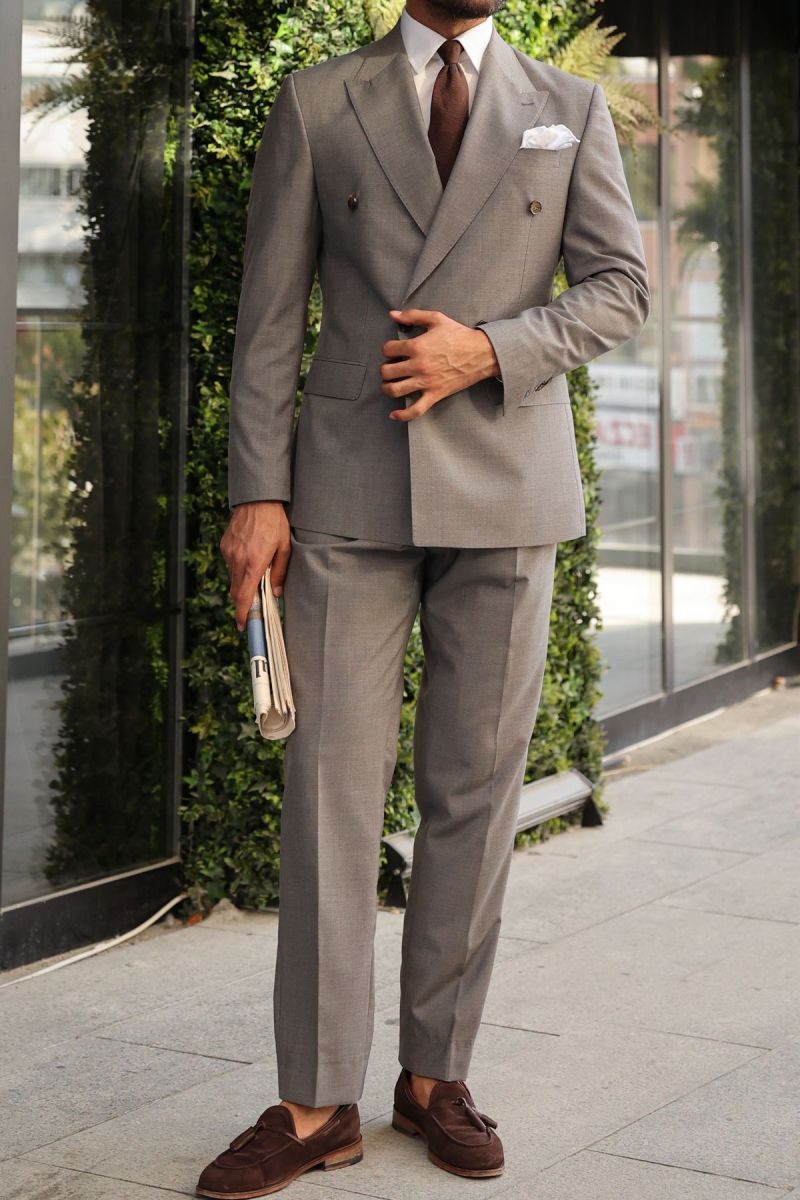
Section 6: Preserving Your Custom Suit – Garment Care Rules
A handcrafted bespoke suit from Ba Vi Tailor is a long-term investment designed to last for decades. Proper maintenance ensures that your suit retains its shape, drape, and rich fabric texture year after year.
1. Avoid Excessive Dry Cleaning
One of the most common mistakes men make is dry cleaning their suits after every few wears. Harsh industrial cleaning solvents strip natural lanolin oils from fine wool fibers, causing the fabric to lose its soft feel and become brittle over time.
-
Rule of Thumb: Dry clean your suit only 1 to 2 times per year, or when a major spill occurs.
-
Daily Refreshing: Use a natural horsehair garment brush after every wear to sweep away dust and food particles. To remove wrinkles, hang your suit in a steamy bathroom or use a gentle hand steamer.
2. Invest in Wide Wooden Hangers
Never hang a tailored suit on thin wire or plastic hangers. Thin hangers concentrate weight on a narrow area, stretching out the shoulder padding and ruining the collar line. Use broad, contoured wooden hangers with thick end caps that support the natural shape of the suit shoulders.
3. Allow 24 Hours of Rest Between Wears
Wool is an elastic, living fiber that needs time to recover its shape after absorbing body heat and moisture. Avoid wearing the same suit two days in a row. Hang your suit in a well-ventilated space for at least 24 hours between wearings so the natural moisture evaporates and wrinkles smooth out naturally.
4. Use Breathable Garment Bags for Storage
When traveling or storing your garments seasonally, avoid plastic bags that trap humidity and encourage mildew. Use breathable cotton or canvas garment bags that protect your clothing from dust while allowing natural air circulation.
Section 7: Frequently Asked Questions (FAQ)
Q1: How long does it take to craft a custom suit at Ba Vi Tailor?
A: Our standard bespoke creation process typically takes between 3 to 7 days, including 1 to 2 fitting sessions to ensure absolute fitting perfection. For international travelers visiting Ho Chi Minh City on short itineraries, express bespoke services can be accommodated without compromising craftsmanship.
Q2: What is the main difference between Made-to-Measure and Bespoke tailoring?
A: Made-to-Measure (MTM) adjusts a pre-existing factory template based on a few basic measurements. Bespoke tailoring creates an entirely individual, hand-drawn paper pattern from scratch based on over 20 unique body measurements, posture analysis, and multiple intermediate fitting stages.
Q3: How many fittings will I need during the custom suit process?
A: Most clients undergo two fittings: a raw baste fitting (to adjust the canvas structure directly on your body) and a secondary fitting (to fine-tune sleeve length, button position, and trouser break).
Q4: Can I customize internal details like linings and monograms?
A: Yes! Bespoke tailoring offers complete creative freedom. You can choose from hundreds of inner silk linings, select custom horn or mother-of-pearl buttons, pick contrasting thread colors, and add personalized hand-embroidered monograms inside your jacket lining.
Conclusion: Step Into Perfection at Ba Vi Tailor
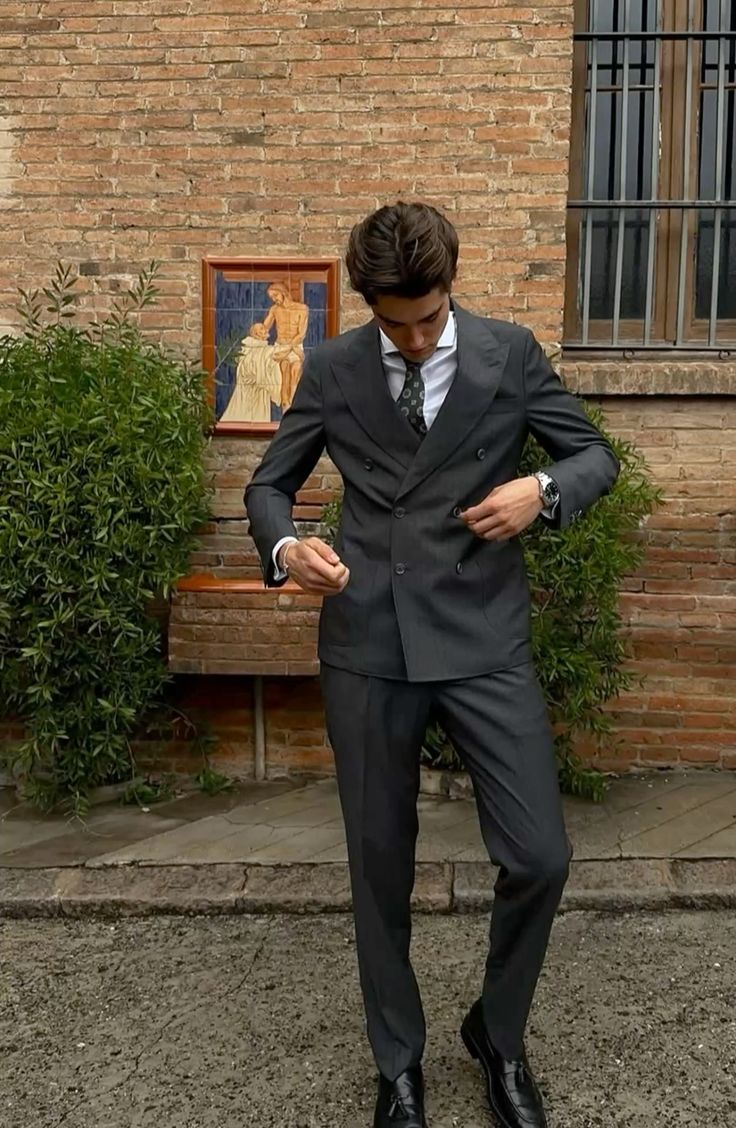
Knowing how to get the perfect fit every time comes down to respecting the fundamentals of sartorial balance, choosing superior natural fabrics, and trusting an experienced master tailor. A suit built specifically for your frame will elevate your appearance, enhance your posture, and boost your personal confidence every time you step out the door.
Whether you are looking to design a commanding black suit, commission an elegant custom suit ho chi minh for an upcoming wedding, or build a breathable business wardrobe for the Saigon heat, Ba Vi Tailor is dedicated to bringing your personal vision to life.
Experience the art of authentic bespoke tailoring today. Visit our District 1 studio and discover why discerning gentlemen consider us the best tailor ho chi minh.
Book Your Personal Consultation
-
Brand Name: Ba Vi Tailor
-
Address: 329/2 Ward 4, District 3, Ban Co, Ho Chi Minh City
-
Phone / WhatsApp: 0918 430 194
-
Website: bavitailor.com


