


In the modern world of men’s fashion, luxury marketing has conditioned us to believe that a prestigious designer label guarantees uncompromised quality. We see high-end ready-to-wear suits displayed in immaculate boutique windows with four-figure price tags, emblazoned with famous European fashion house logos. But when you look beneath the lining, past the clever marketing campaigns and celebrity endorsements, a fundamental question arises: What are you actually paying for?
The truth is that a luxury brand name is often little more than a mark of marketing expenditure. What truly determines the drape, longevity, comfort, and visual authority of a gentleman’s garment is not the label sewn inside the collar—it is the raw material from which it was born.
When you seek a distinguished custom suit in Ho Chi Minh City, understanding the distinction between brand prestige and fabric excellence becomes essential. Whether you are stepping into a boardroom, attending a black-tie gala, or ordering a timeless black suit, the cloth you choose will speak far louder than any designer logo ever could.
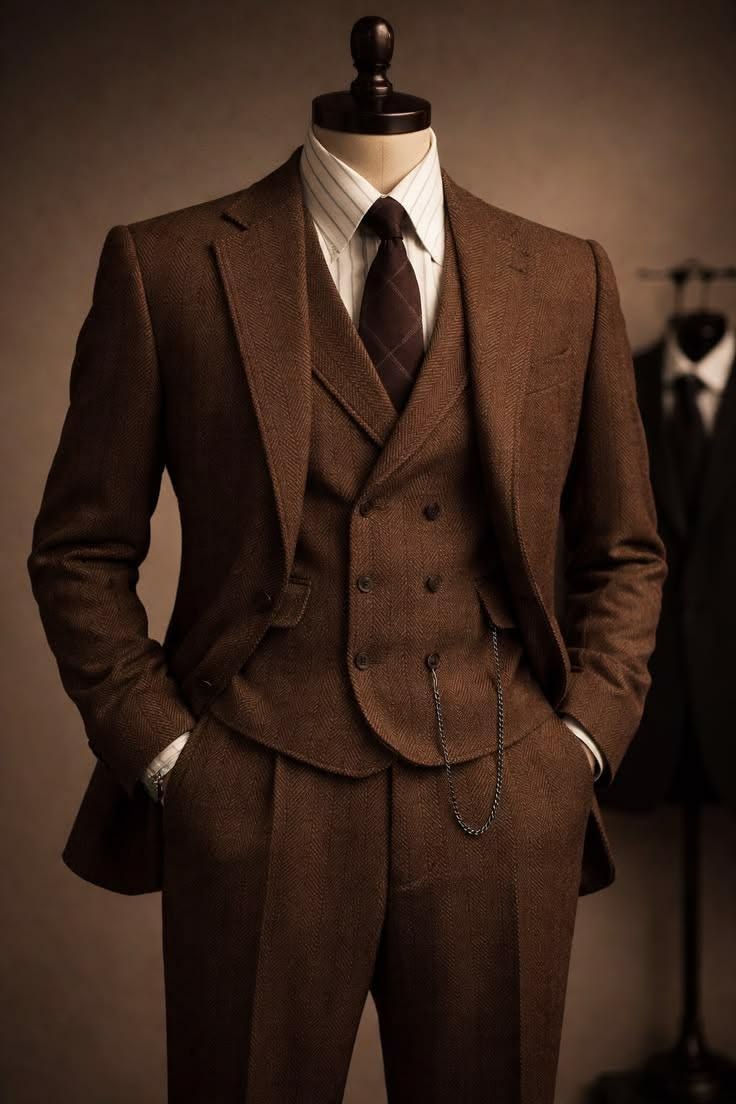
1. Deconstructing the Brand Premium: What Are You Really Paying For?
The Reality of Luxury Off-the-Rack
When you purchase an off-the-rack suit from a globally recognized designer brand, a substantial portion of the retail price goes toward overhead expenses that have nothing to do with tailoring:
-
Multi-million dollar international advertising campaigns
-
High-street flagship store rentals in major global capitals
-
Fashion week showcases and influencer sponsorships
-
Distributor and retail markups (often 4x to 8x the manufacturing cost)
To maintain high profit margins while funding these massive expenses, many off-the-rack luxury brands compromise on material quality and construction methods. It is common to find designer suits priced over $2,000 made with polyester-blend fabrics, fused (glued) interlinings, and machine-stitched seams designed for quick mass production.
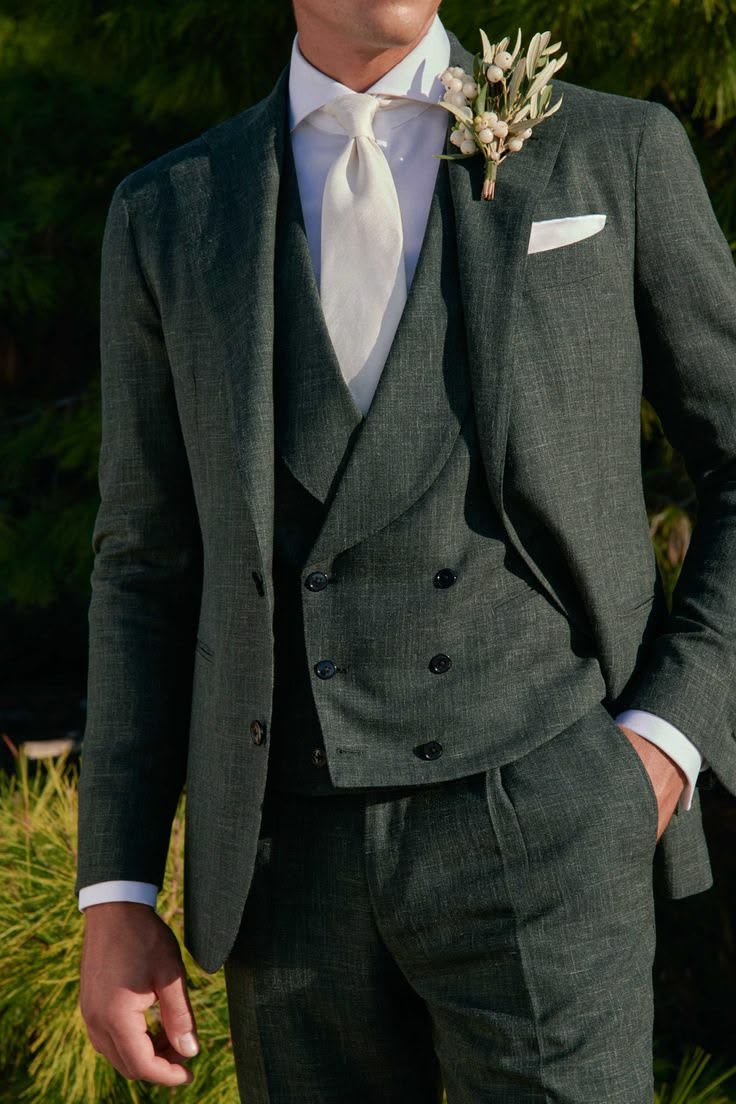
The Bespoke Alternative
When you work with an artisan tailor in Ho Chi Minh City like Ba Vi Tailor, the financial dynamic shifts completely:
-
Your investment goes directly into premium natural cloth sourced from world-renowned mills.
-
You pay for handcrafted artistry and individualized pattern cutting tailored precisely to your anatomy.
-
You eliminate corporate markups and receive true sartorial value.
2. The Science of Fabric: Why Material Dictates Quality
Fabric is the foundation upon which all tailoring rests. No matter how talented a master tailor is, they cannot construct a legendary suit out of inferior cloth. Fabric dictates how a garment behaves in three critical dimensions: Structure, Breathability, and Longevity.
A. Fiber Composition: Natural vs. Synthetic
The single most decisive factor in fabric quality is its fiber content.
-
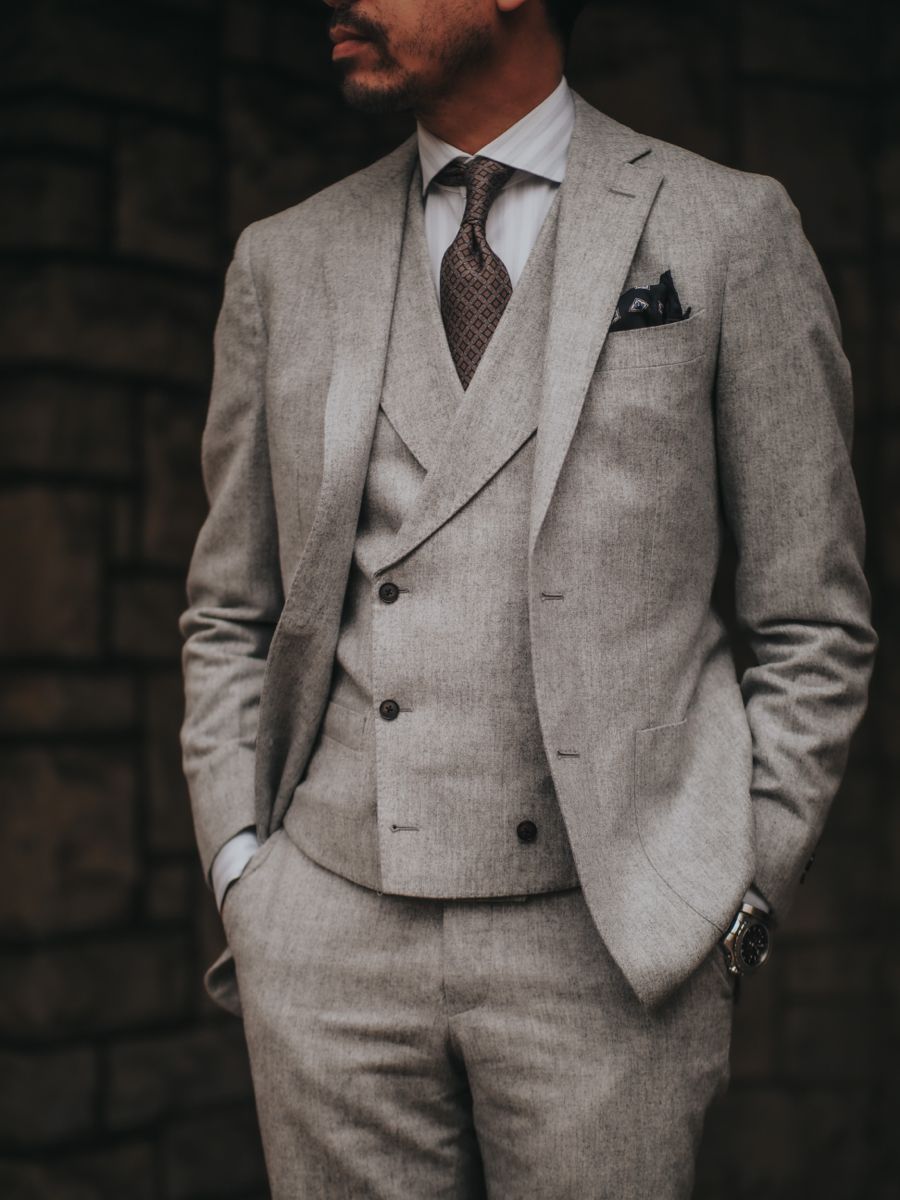
Pure Natural Wool: Natural wool fibers possess an inherent spring-like structure (crimp) that allows the cloth to breathe, resist wrinkles, and recover its shape after wear. Premium pure wool feels substantial yet lightweight, regulating body temperature effectively in diverse climates.
-
Silk and Cashmere Blends: Adding silk introduces a subtle, luxurious sheen and soft hand-feel, while cashmere adds unmatched warmth and tactile richness.
-
Synthetic Blends (Polyester, Viscose, Nylon): Synthetic fibers are cheap to manufacture and resist shrinking, but they fail in critical areas. They trap heat and sweat, generate static electricity, create an unnatural artificial shine, and quickly lose their shape over time.
For anyone seeking a refined suit in Ho Chi Minh City, synthetic materials are particularly problematic due to the region's warm tropical climate. Pure natural wool and linen-wool blends provide the natural breathability necessary to stay cool and composed throughout the day.
B. Understanding "Super" Numbers (Super 110s to Super 180s)
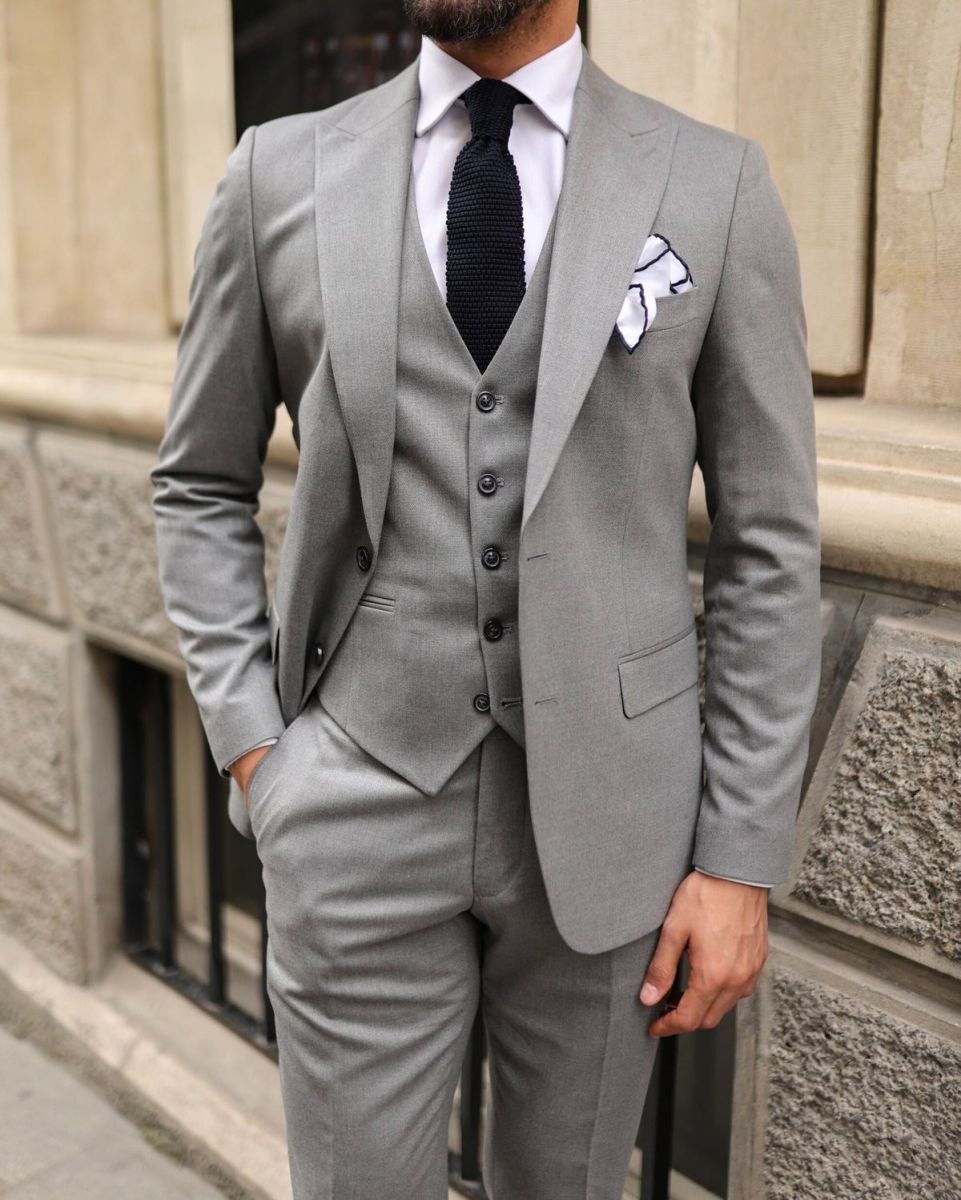
In the world of fine wools, you will often hear terms like Super 110s, Super 130s, or Super 150s. This grading system refers to the fineness of the individual wool fibers measured in microns.
| Wool Grade | Micron Thickness | Characteristics | Best Used For |
| Super 100s - 120s | 18.75 to 17.75 µm | Durable, resilient, excellent recovery, substantial body | Daily business wear, frequent travel |
| Super 130s - 150s | 17.25 to 16.25 µm | Soft, elegant luster, beautiful drape, luxurious hand | Executive meetings, fine custom suits, weddings |
| Super 160s + | Under 15.75 µm | Ultra-fine, silky, delicate, featherlight | Special occasions, formal evening wear |
While higher numbers indicate finer and softer fibers, higher is not always better for every situation. A Super 110s to 130s wool often offers the ideal balance of durability, drape, and luxury for everyday wear, whereas off-the-rack luxury brands often market Super 160s+ as superior despite their delicate nature and susceptibility to wear. At Ba Vi Tailor, we guide clients toward the exact fabric weight and weave that matches their lifestyle and environment.
3. Fabric Weaves and Climate Adaptation in Ho Chi Minh City
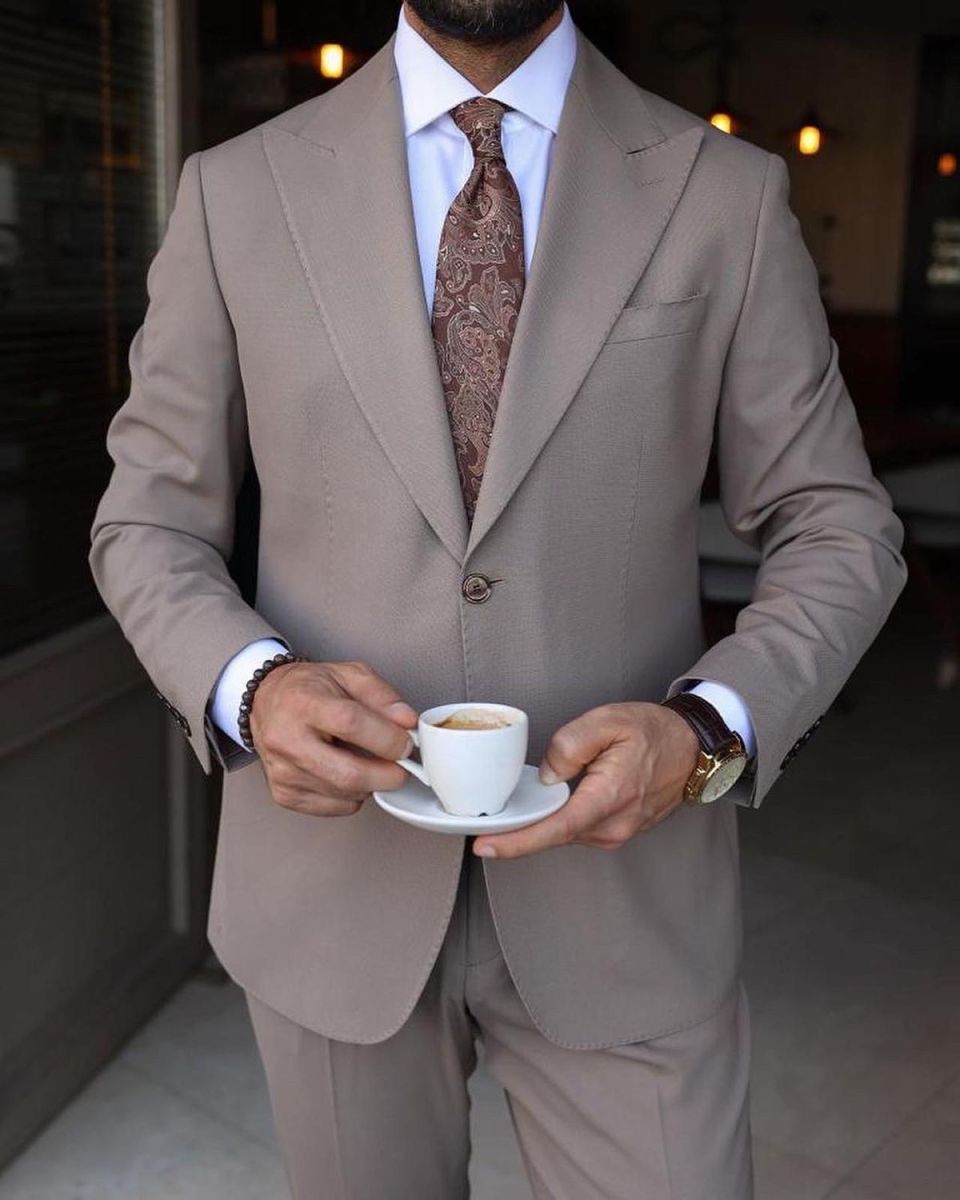
A common misconception is that suits are inherently hot and uncomfortable in tropical environments. In reality, thermal comfort depends almost entirely on the weave and weight of the fabric chosen for your custom suit in Ho Chi Minh City.
The Best Weaves for Tropical Comfort
-
Tropical Wool (Fresco): Utilizing high-twist wool yarns woven in an open weave, tropical wool allows air to circulate freely through the garment while maintaining sharp crease retention.
-
Hopsack: Characterized by a coarse, basket-weave texture, hopsack is highly breathable, naturally wrinkle-resistant, and ideal for unlined or half-lined tailored jackets.
-
Linen-Silk-Wool Blends: This triple blend combines the crisp cooling properties of linen, the strength and drape of wool, and the subtle sheen of silk—creating the ultimate sophisticated summer tailored garment.

4. The Anatomy of an Iconic Piece: The Classic Black Suit
To understand why fabric quality matters more than brand labels, look no further than the iconic black suit.
A black suit is the ultimate test of both fabric quality and tailoring precision. Because black absorbs light rather than reflecting it, any flaw in the fabric weave, any artificial shine from synthetic fibers, or any unevenness in the drape becomes instantly visible.
When crafted from low-grade synthetic fabric, a black suit appears stiff, shiny, and cheap under artificial lighting. However, when tailored from a high-grade matte black wool (such as a deep Super 130s wool), a black suit absorbs light richly, creating a silhouette of pure, quiet authority.
At Ba Vi Tailor, recognized by discerning gentlemen as a contender for the best tailor in Ho Chi Minh City, we source deep-dyed, high-density black wools that maintain their rich tone and structural integrity across years of formal engagements.
5. Construction Meets Material: Canvas vs. Fusion
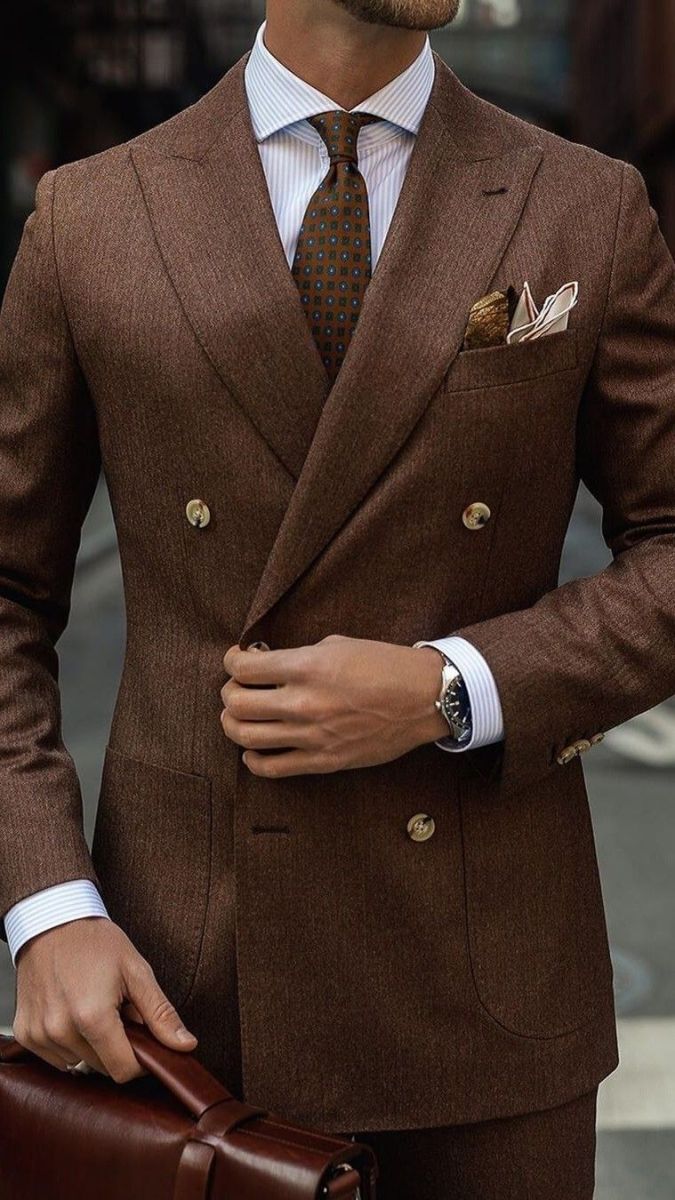
Even the finest fabric requires proper internal construction to realize its full potential. This brings us to another critical distinction between mass-produced brand-name suits and artisanal bespoke tailoring: Full Canvas Construction versus Fused Interlining.
-
Fused Construction (Common in Mass Luxury Retail): A synthetic interlining is glued directly to the outer fabric using heat and pressure. Over time, steam, dry cleaning, and humidity degrade the glue, causing unsightly "bubbling" on the chest and lapels that ruins the garment permanently.
-
Canvas Construction (The Bespoke Standard): A floating layer of natural horsehair and linen canvas is hand-stitched inside the jacket chest and lapels. This allows the outer fabric to drape naturally and breathe freely. Over time, horsehair canvas molds to the wearer's body contours, creating a fit that grows more comfortable with every wear.
Combining high-grade wool with authentic canvas construction is the signature of true luxury—a standard maintained rigorously at Ba Vi Tailor.
6. The Sartorial Experience at Ba Vi Tailor
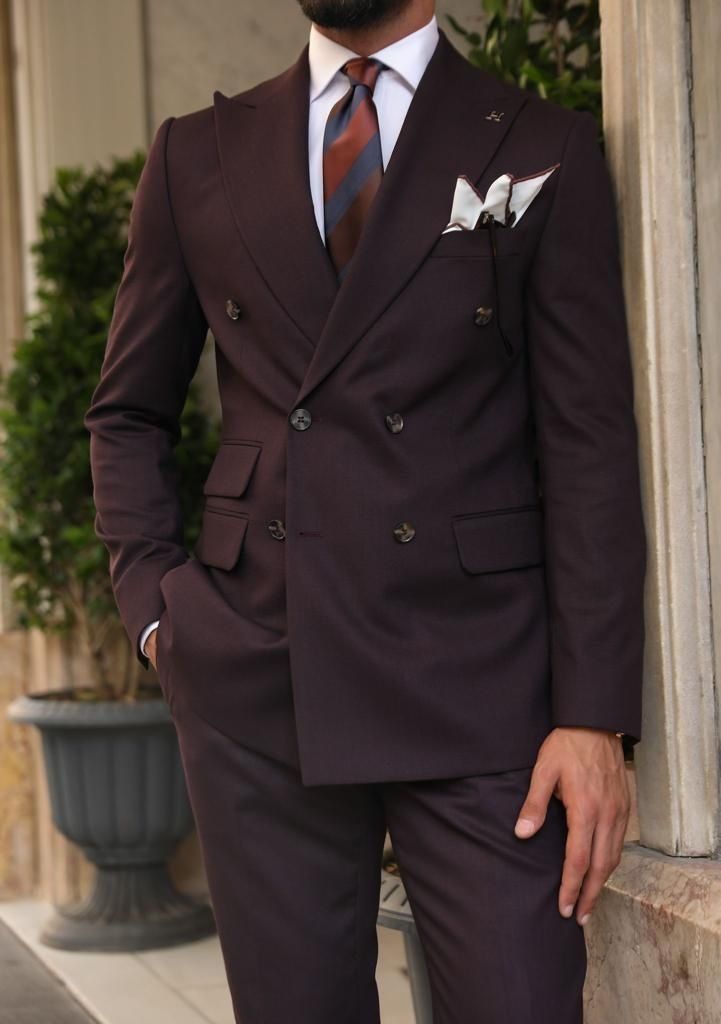
Selecting a bespoke garment is not merely a purchase; it is a collaborative artistic journey. When you visit Ba Vi Tailor, widely regarded as a premier destination for a tailor in Ho Chi Minh City, you engage in a personal tailoring experience designed to honor traditional craft.
Why Choose Ba Vi Tailor?
-
Uncompromising Fabric Selection: We curate an extensive archive of international fabrics, including world-class wools, linens, and silks suited for every occasion and climate.
-
Precision Pattern Drafting: Every garment begins as an original paper pattern created specifically for your proportions, posture, and preferences.
-
Artisanal Hand-Finishing: From hand-padded lapels to hand-sewn buttonholes, every detail is executed with meticulous craftsmanship.
-
Personalized Service: We take the time to understand your lifestyle, ensuring your custom suit in Ho Chi Minh City serves you effortlessly for years to come.
Conclusion: Invest in Quality, Not Logos
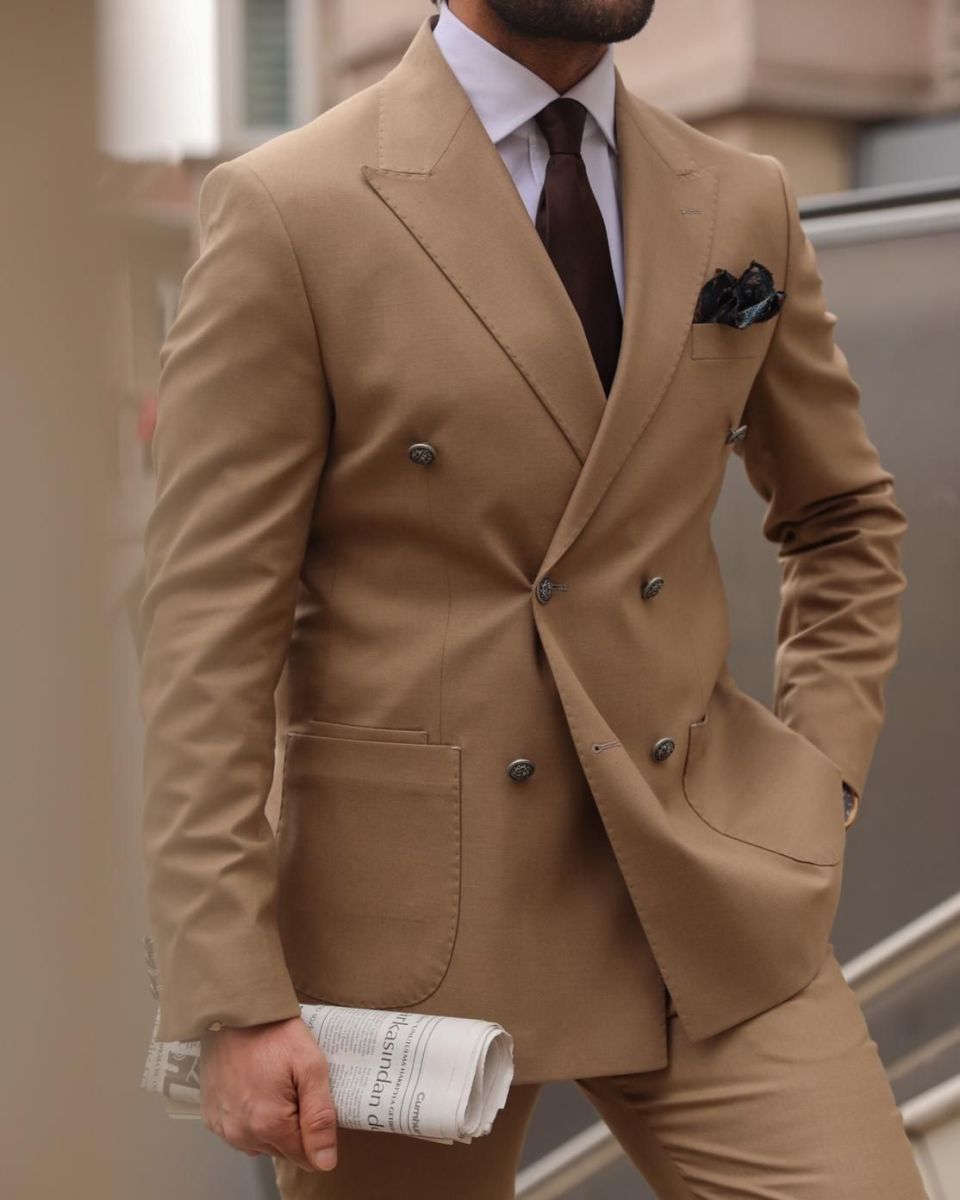
When choosing your next suit, look past marketing campaigns and brand names. A logo cannot improve a poor fit, breathe in hot weather, or recover its shape after a long day of travel.
True sartorial excellence lies in the harmony of fine natural fabric, precise hand-craftsmanship, and a silhouette cut tailored specifically to you. Experience the art of authentic bespoke tailoring and elevate your personal wardrobe at Ba Vi Tailor.
📍 Contact & Booking Information | Ba Vi Tailor
Elevate your wardrobe with a handcrafted custom suit in Ho Chi Minh City. Visit our atelier for a private consultation and explore our curated collection of fine fabrics.
-
Brand Name: Ba Vi Tailor
-
Address: 329/2 ward 4, district 3, Ban Co, Ho Chi Minh City.
-
Hotline / Phone: 0918 430 194
-
Website: bavitailor.com


