


A suit is far more than two matching pieces of fabric cut to fit a human frame. It is an intricate architectural structure, an armor of self-expression, and one of the clearest signals of personal taste and refinement a gentleman can wear. When you step into a boardroom, walk down the aisle, or attend an exclusive evening gala, your attire communicates before you speak a single word.
While fabric selection, color choice, and overall silhouette often command immediate attention, the true structural integrity and enduring elegance of a garment lie beneath the surface. The single defining factor that separates a mass-produced, disposable garment from a timeless sartorial masterpiece is stitching quality.
At Ba Vi Tailor, located in the heart of Saigon, we believe that true elegance requires uncompromising standards. As a premier destination for a custom suit in Ho Chi Minh City, our philosophy centers on the conviction that every stitch must serve both a structural and an aesthetic purpose.
This comprehensive guide delves deep into the art and science of garment construction, explaining why stitching quality matters, how fine tailoring impacts durability and drape, and why discerning clients choose us when searching for the best tailor in Ho Chi Minh City.
The Foundation of Fine Tailoring: Understanding Stitching Quality
To appreciate why stitching quality is paramount, one must first understand what occurs when fabric is transformed into a three-dimensional garment. Fabric is inherently soft, flexible, and susceptible to tension, stretch, and atmospheric conditions. Stitching is the structural skeleton that holds these flexible panels together while allowing them to move in harmony with the human body.
Mechanical Integrity vs. Aesthetic Precision
High-grade stitching fulfills two primary roles:
-
Mechanical Integrity: It absorbs stress across seam lines, withstands movement at strain points (such as shoulders, armholes, and crotch seams), and maintains structural tension over years of wear.
-
Aesthetic Precision: It ensures clean lines, prevents seam puckering, provides subtle visual texture (such as hand-pick stitching), and allows the lapels to roll naturally over the chest without stiff artificial pressing.
When stitching is executed with poor technique, tension imbalances, or low-grade thread, the garment fails rapidly. Seams pull apart, fabric distorts around tension points, lapels flatten out, and the suit loses its tailored shape after a few dry-cleaning sessions.
Hand-Stitching vs. Machine Stitching: The Bespoke Difference
One of the most frequent discussions in high-end tailoring revolves around hand-stitching versus machine stitching. A common misconception is that machine stitching is always inferior, or that a fully hand-stitched garment is inherently superior in every application. The reality is far more nuanced.
The Art of Hand-Stitching
Hand-stitching allows the tailor to adjust thread tension on a stitch-by-stitch basis. Because human hands can feel the density and weave of different luxury fabrics—such as Super 130s wool, silk blends, or linen—the tension can be calibrated to match the natural stretch of the cloth.
-
Flexibility: A hand-stitched seam retains subtle elasticity. When you move your arms or twist your torso, the stitches yield slightly with the movement rather than pulling rigidly against the fabric.
-
Organic Drape: Hand-pick stitching along lapels and pockets anchors the edge facing softly, creating a rich visual texture that cannot be duplicated by automated machinery.
Strategic Machine Stitching
Modern high-precision sewing machines have their place in luxury tailoring. Long, straight internal seams that demand high linear tensile strength benefit from consistent machine stitching, provided the machine is operated by a master technician who understands thread tension and needle selection.
At Ba Vi Tailor, your trusted source for a suit in Ho Chi Minh City, we combine master hand-craftsmanship with modern structural precision to deliver garments that excel in durability, comfort, and visual appeal.
Inside the Jacket: Canvas Construction and Invisible Stitching
The true test of a suit’s quality lies inside its hidden layers. Mass-market suits cut costs by fusing (gluing) a synthetic interlining to the exterior shell fabric. While this creates a stiff appearance initially, heat and moisture eventually break down the adhesive, causing unsightly bubbling along the chest and lapels.
In contrast, a true custom suit in Ho Chi Minh City crafted by Ba Vi Tailor utilizes floating canvas construction held together by thousands of microscopic, invisible stitches.
Pad Stitching the Canvas
Pad stitching is the technique used to secure the horsehair canvas interlining to the chest piece and lapels.
-
The Process: The artisan rolls the lapel over their hand while driving the needle through the canvas, taking only a microscopic grab of the outer fabric's reverse side without penetrating through to the front.
-
The Result: The lapel acquires a permanent, graceful curve—known as the "lapel roll"—that contours around the wearer’s chest. Unlike fused jackets that lie flat and rigid, a pad-stitched lapel maintains its three-dimensional form for decades.
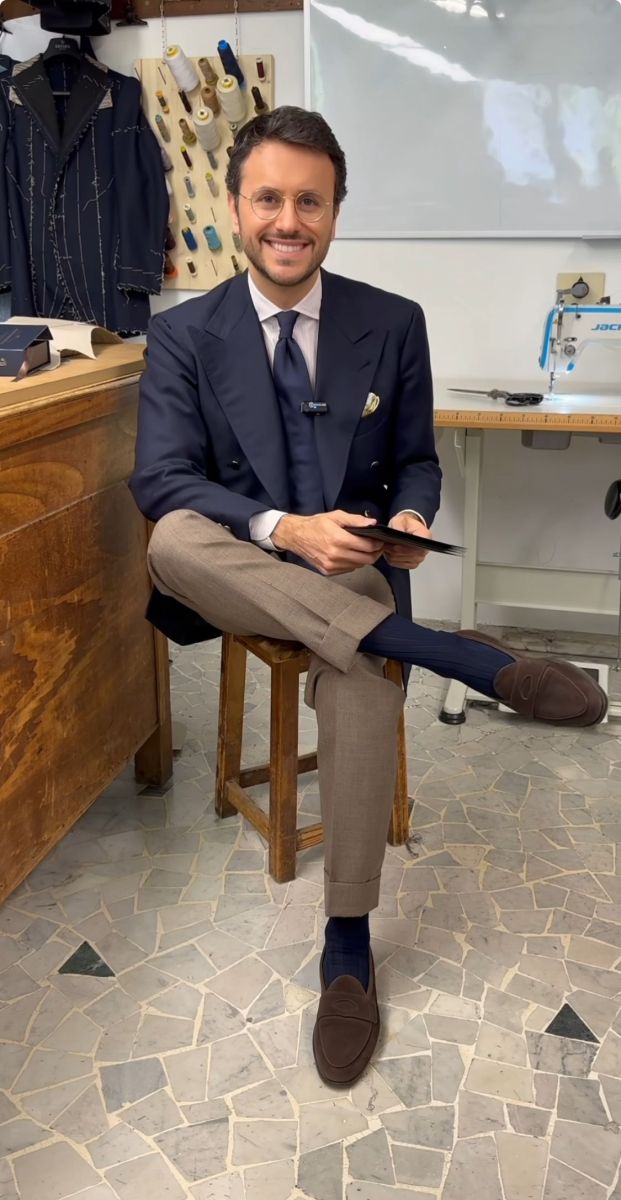
Key Anatomic Stitching Zones to Inspect
When evaluating a garment from any tailor in Ho Chi Minh City, there are specific key zones where stitching quality directly impacts fit, longevity, and comfort.
1. The Collar Mount
The collar must sit flush against the back of your neck without gaping or creating folds under the collar line. Hand-stitching the collar assembly onto the jacket body allows the artisan to mold the fabric around the neck curve precisely.
2. The Armhole (Scye) Construction
The armhole endures continuous movement and friction. A superior armhole is stitched with flexible internal thread loops that allow arm rotation without pulling the entire body of the jacket out of alignment.
3. Buttonholes: Functional vs. Decorative
Mass-produced garments feature machine-cut buttonholes with rough threads wrapped around raw edges. A bespoke garment crafted by the best tailor in Ho Chi Minh City features hand-cut, hand-sewn buttonholes (often worked with silk thread) featuring a distinct teardrop shape (the eyelet) to house the button shank smoothly.
4. Pocket Attachment and Bar Tacking
Pockets are subject to stress when items are stored inside them. High-grade stitching includes reinforced "bar tacks" at the stress corners of jetting and flap pockets, preventing the outer cloth from tearing under load.
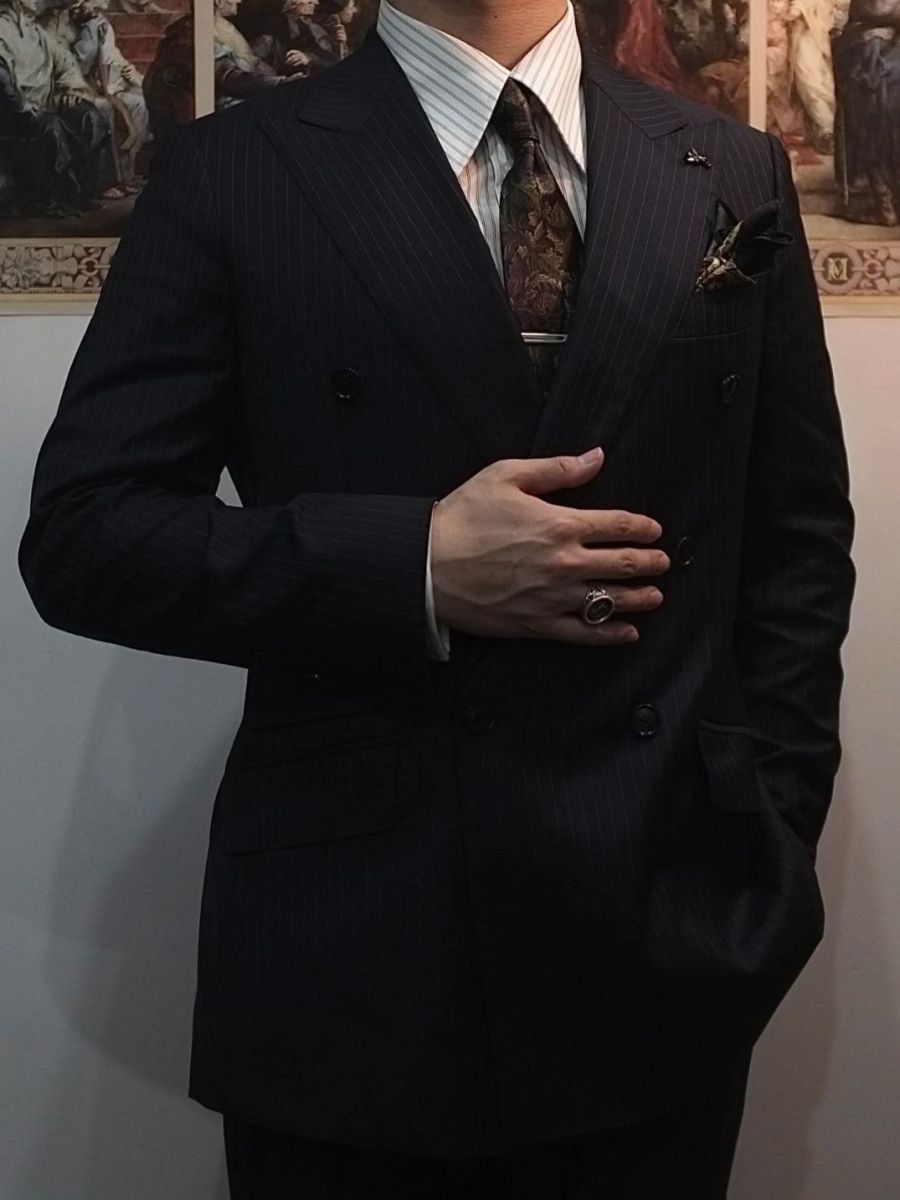
The Timeless Icon: Stitching Precision in the Classic Black Suit
Among all tailored garments, none demands absolute perfection in stitching quality quite like the classic black suit.
While patterned fabrics like Glen plaid, pinstripes, or houndstooth can visually mask subtle stitching flaws, solid black fabric reflects light uniformly across its surface. Any tension error, uneven seam, or minor puckering becomes immediately visible under ambient light.
When crafting a black suit at Ba Vi Tailor:
-
Thread Selection: We utilize color-matched silk and long-staple cotton threads that match the exact light absorption coefficient of the primary wool fabric.
-
Edge Finishing: Edge stitching on lapels and pocket flaps is executed with mathematical precision, ensuring crisp shadow lines without distorting the outer face of the cloth.
-
Tuxedo Details: When crafting black-tie attire, attaching silk satin or grosgrain facings onto lapels requires specialized stitch tension so the two distinct textiles expand and contract evenly under humidity changes.
Whether you require an authoritative business suit, an evening tuxedo, or a minimalist modern formal ensemble, our execution of the black suit stands as a testament to world-class craftsmanship.
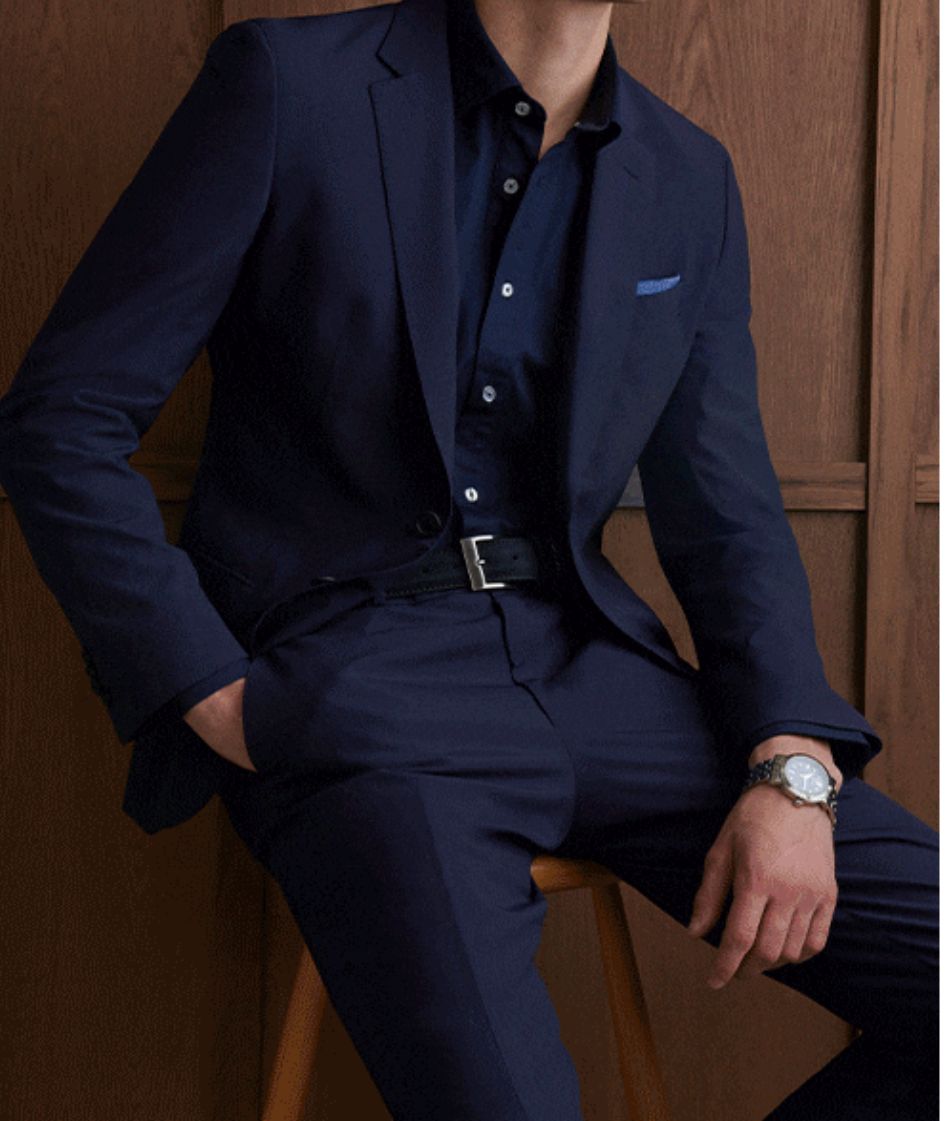
Anatomy of a Seam: What Separates Good from Great
To train your eye like a master tailor, examine the structural details that distinguish superior stitching from standard commercial production.
Stitch Density (Stitches Per Inch - SPI)
Stitch density refers to the number of individual stitches per inch of seam length. Lower density (8-10 SPI) speeds up production but creates weaker seams that show thread gaps when tension is applied. High-end tailoring utilizes 14 to 18 SPI, ensuring seamless structural strength and clean stitch lines.
Thread Composition
Synthetic polyester threads are strong, but they tend to bite into fine natural wool fibers, causing premature wear along seam lines. High-grade custom tailoring utilizes long-staple cotton and pure silk threads. Silk thread possesses natural elasticity, matching the behavior of high-grade wools and silks seamlessly.
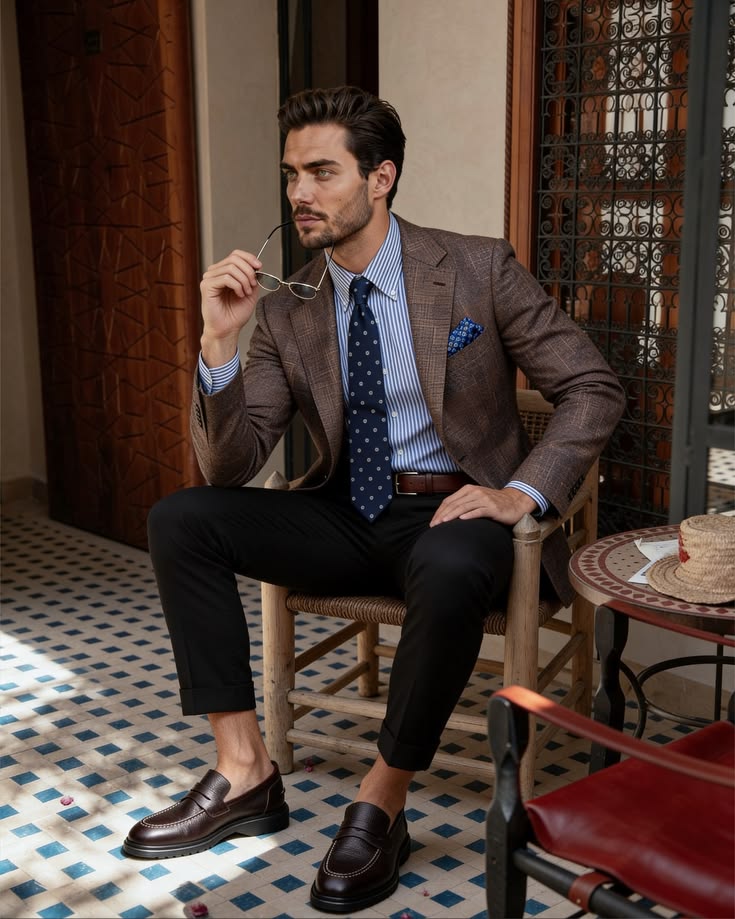
Why Saigon is a Global Hub for Custom Tailoring
Ho Chi Minh City has earned an international reputation as one of Southeast Asia's premier destinations for bespoke menswear. Discerning travelers, executives, and sartorial enthusiasts travel from across the globe to commission custom garments in Saigon.
The European Heritage Meets Asian Precision
Vietnam’s rich history with garment crafting has produced generations of master artisans who have refined their skills over decades. By combining traditional techniques with access to world-renowned European fabric mills—such as Loro Piana, Zegna, Holland & Sherry, and Dormeuil—tailors in Ho Chi Minh City deliver garments that rival Savile Row or Milan at a fraction of the cost.
Navigating the Local Market
Not all tailoring establishments offer the same standard of work. While quick-turnaround shops focus on speed and fused construction, true luxury houses prioritize structural integrity, hand-stitching, and multiple personal fittings. Finding the best tailor in Ho Chi Minh City means identifying a house that refuses to shortcut internal canvas work and precision hand-finishing.
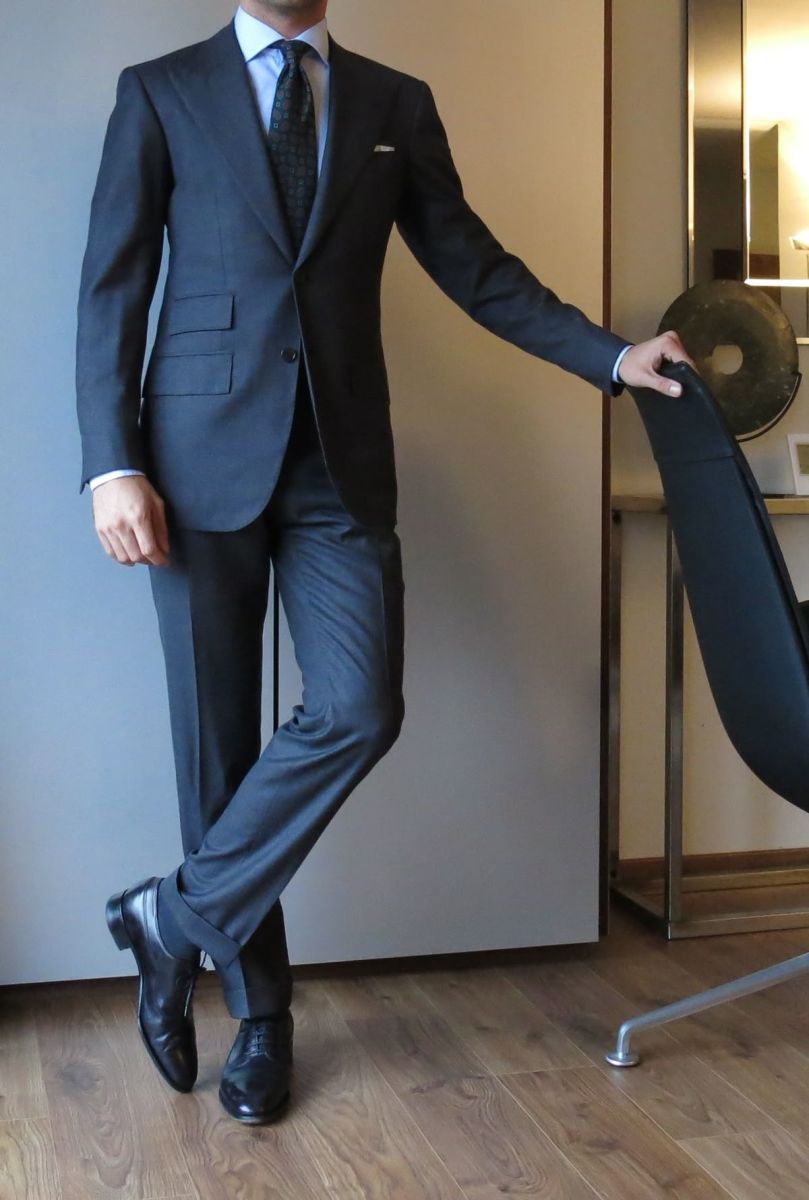
The Ba Vi Tailor Experience: Our Craftsmanship Process
At Ba Vi Tailor, we approach custom tailoring as an art form rooted in discipline, passion, and uncompromising quality. When commissioning a custom suit in Ho Chi Minh City with us, your garment undergoes a rigorous multi-stage creation process.
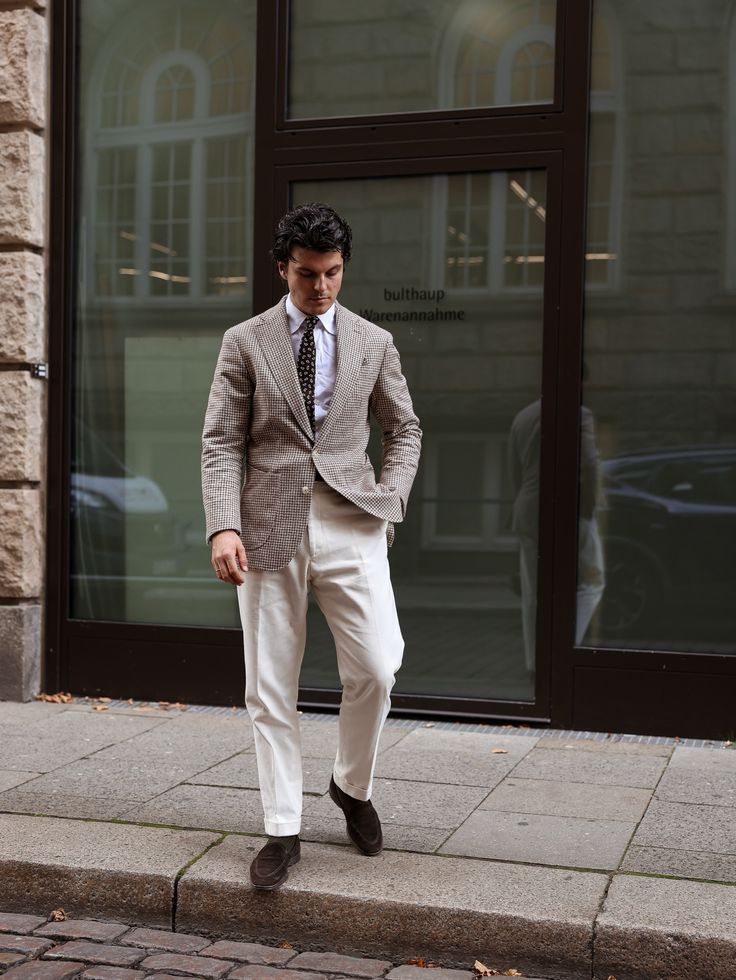
1. The Consultation and Pattern Creation
We begin by discussing your lifestyle, environment, and personal aesthetic goals. Over 30 precise anatomical measurements are taken, accounting for posture, shoulder slope, and asymmetry. An individual paper pattern is drafted from scratch—we never use modified stock blocks.
2. The Baste Fitting
Before the final exterior seams are set, the suit is assembled in a temporary state using white basting thread. During the baste fitting, we evaluate drape, balance, and proportions on your body, adjusting internal structural lines before final hand-stitching begins.
3. Hand-Finishing and Quality Control
Once structural adjustments are finalized, our master artisans complete the garment using hand-pad stitching, hand-sewn buttonholes, hand-set linings, and hand-pick stitched lapel edges. Every seam is thoroughly inspected under high-intensity lighting before final pressing and presentation.
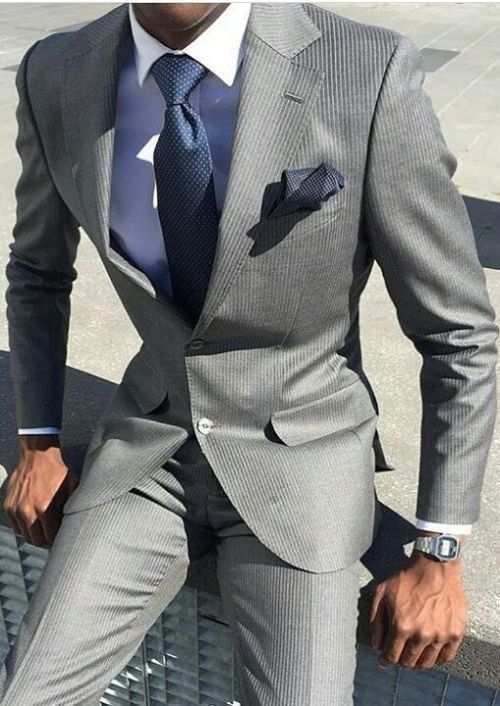
Caring for a Fine Hand-Stitched Suit
A high-quality custom suit is an investment designed to last for decades with proper care. Because hand-stitched garments feature natural internal structures, following correct maintenance protocols preserves their shape and texture.
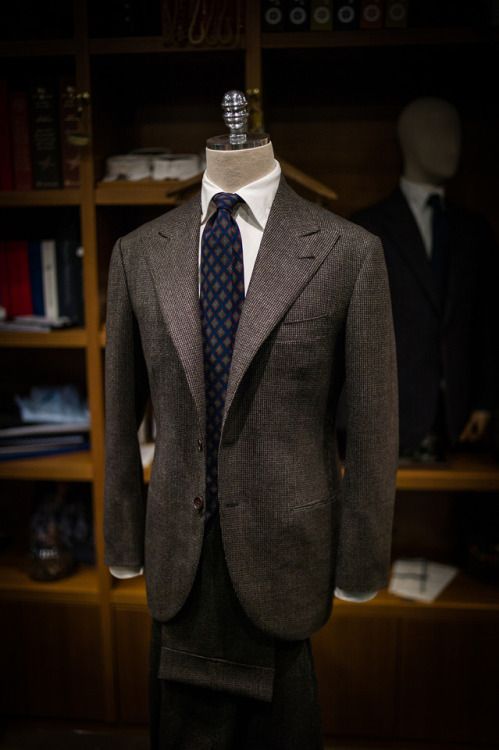
1. Rotation and Rest
Never wear the same wool suit two days in a row. Wool fibers require 24 to 48 hours to shed moisture and naturally recover their original shape.
2. Proper Hanging
Always store your jacket on a wide-shoulder contoured wooden hanger. Thin wire or flat plastic hangers distort the hand-stitched shoulder padding over time, creating unsightly bumps in the sleeve head.
3. Avoid Excessive Dry Cleaning
Harsh chemical dry cleaning removes the natural lanolin oils from fine wool fibers, causing them to dry out and break. Steam your suit to eliminate odors and wrinkles, and limit dry cleaning to once or twice a year unless stained.
4. Natural Brushing
Use a soft horsehair clothes brush after each wear. Brushing removes surface dust and micro-debris before it settles into the weave of the fabric, maintaining the natural sheen of the cloth.
Frequently Asked Questions About Suit Construction
Why does a hand-stitched suit feel different to wear?
A hand-stitched suit moves naturally with your body. Because the internal canvas and structural seams possess subtle elasticity, the jacket adapts to your posture rather than forcing your torso into a rigid, glued shell.
How can I quickly check the stitching quality of a suit?
Look closely at the lapel edges and pocket flaps. Look for subtle, slightly raised stitches (pick stitching) rather than perfectly flat, fused edges. Gently pull the lapel away from the chest fabric; if you feel a soft floating layer between the outer cloth and inner lining, the suit features true floating canvas construction.
How long does it take to craft a custom suit at Ba Vi Tailor?
Creating a handcrafted bespoke suit requires time, precision, and multiple fittings. Our typical process takes between 2 to 3 weeks, though expedited services can be accommodated for international travelers staying in Ho Chi Minh City for a limited duration.
Elevate Your Wardrobe with Ba Vi Tailor
Stitching quality is the invisible bridge connecting raw fabric to timeless style. It dictates how a suit fits on day one, how it contours to your body over time, and how it holds up after years of wear. When you invest in exceptional stitching, you invest in confidence, comfort, and enduring elegance.
At Ba Vi Tailor, we take pride in delivering the finest handcrafted menswear in Vietnam. Whether you are looking for an impeccable black suit, a versatile business wardrobe, or an extraordinary custom suit in Ho Chi Minh City, our master tailors stand ready to bring your vision to life.
Visit our atelier in Saigon to experience the difference that true stitching quality makes.
Ba Vi Tailor
-
Address: 329/2 Ward 4, District 3, Ban Co, Ho Chi Minh
-
Phone / WhatsApp: 0918 430 194
-
Website: bavitailor.com


